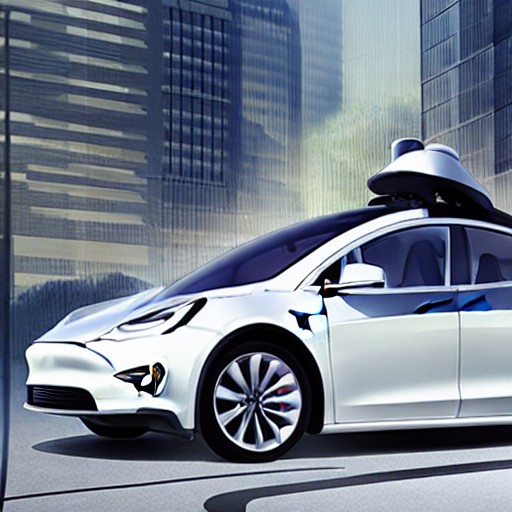
Elon Musk’s gilded robot car barely made it on public roads before federal regulators launched an investigation into the vehicle’s lack of traditional features — many of which are required by law. The Cybercab lacks sideview mirrors and pedals, which are required under federal safety rules.
The National Highway Traffic Safety Administration said it was opening an audit query into the Tesla Cybercab “to examine the process and technical data on which Tesla relied when certifying the Cybercab and related issues.” At issue is the absence of certain design features such as sideview mirrors, pedals, and steering wheel — all of which are required under the Federal Motor Vehicle Safety Standards, or FMVSS.
Tesla does not appear to have sought an exemption from these FMVSS rules, thus prompting the investigation. NHTSA’s investigation covers an estimated 1,000 Cybercabs, although it's unclear whether there are even that many to begin with. Tesla has 45 Cybercabs currently registered with the Texas Department of Motor Vehicles.
Tesla held a private event in Austin Thursday to celebrate the public launch of the Cybercab. Tesla has said it plans on deploying the vehicle in other cities as part of its Robotaxi service, and will eventually sell the Cybercab to individual customers for an estimated price of $30,000.
In the US, automakers self-certify that their vehicles comply with all the applicable rules in the FMVSS. If there are problems, or a certain vehicle is introduced with glaring issues, like the absence of legally required safety features, then NHTSA can launch an investigation into that self-certification process. That doesn’t block the automaker from continuing its production, but it certainly calls into question that vehicle’s future prospects.