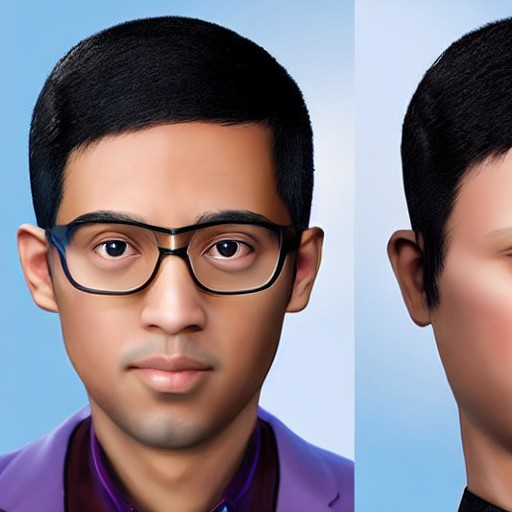
YouTube Shorts is introducing an AI-powered avatar feature that allows creators to insert a digital version of themselves into videos. The process involves recording a live selfie and following prompts for best results, but the outcome could be a new form of self-representation or a potential privacy nightmare.
The tool is part of YouTube’s expanding suite of AI tools designed for content creation. However, only those with an existing YouTube channel who are at least 18 years old will be able to use it initially, and even then, the rollout will be gradual.
Once avatars are created, users can generate eight-second clips or add their avatar to eligible Shorts in their feed. Creators retain control over their content and can delete both avatars and videos at any time if they wish. Moreover, all AI-generated content will bear a watermark and digital labels to indicate its authenticity.
While this feature opens up new creative possibilities, it also raises questions about the ethics of AI in content creation. As Google competes with OpenAI’s withdrawal from video generation tools, the race into this tech frontier may lead to more sophisticated and potentially intrusive applications of AI avatars.