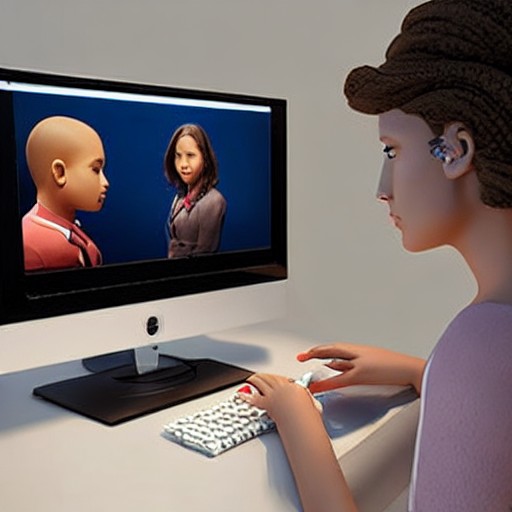
When Alexandru Voica, head of corporate affairs at Synthesia, offered me an AI avatar of myself, I was intrigued. The interactive digital twin can answer questions about my venture fraud story, making it a potent PR tool. Synthesia, valued at $4 billion, is at the forefront of this technology, enabling enterprises to create their own interactive avatars. My avatar, complete with and without glasses, was trained on my story and can only answer questions about it. Friends found it interesting but a bit creepy, while my mother praised its realism.
This experience makes me ponder the future of journalism. Could avatars replace human journalists? While some are concerned about AI-generated content, others see the potential for augmentation. The biggest challenge for avatars, I believe, is building trust. As a journalist, I value the human connection and trust that I build with my audience. However, the rise of digital twins in everyday life, such as on Instagram, suggests that avatars could become a norm. The question remains: would people be okay with the news being presented by a digital version of themselves?
In the meantime, I'm embracing the technology, even if it does make my mother joke about having two of me. Synthesia's offerings include classic avatars, interactive sessions, and API platforms, catering to various enterprise needs. For now, my digital twin is a fascinating experiment, but the future of journalism remains uncertain.