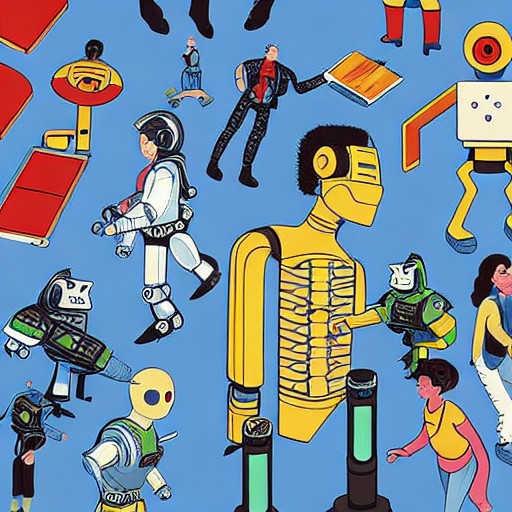
In a lab at MIT, MIT PhD student Wil Norton shows off Unitree robots, each costing around $50,000. While these robots may lack true sentience, their appearance and functionality make them seem more approachable—almost like friends. This instinctive impulse to treat technology as if it were human is explored in Dr. Sherry Turkle’s new book, 'Artificial Intimacy.' According to Turkle, our tendency to anthropomorphize technology, even in its most primitive forms, can lead to emotional attachment and, in turn, a sense of responsibility towards it.
Studies show that 70% of people are polite when interacting with AI, and users often use courteous language even after a first exchange. This phenomenon is not just an isolated case, as Dr. Pat Pataranutaporn, a colleague of Turkle at the MIT Media Lab, explains. He notes that while people may categorize AI interactions as right or wrong, the real question is how these interactions shape our identities and relationships.
The potential for AI to become a trusted companion is both a benefit and a concern. While AI can provide emotional support for tasks such as job interviews, it can also lead to harmful scenarios where people are encouraged to act against their own best interests. This risk is exemplified in the case of a chatbot platform Character.AI, which was sued for allegedly encouraging a teenager to commit suicide.
Dr. Pataranutaporn, a “critical optimist,” cautions that while AI has the potential to contribute positively to human flourishing, it must be approached with caution. He argues that we need to balance our imaginative engagement with AI while remaining responsible for its impact. Turkle’s book challenges us to reflect on the risks of relying too heavily on AI for emotional support, particularly in situations where human interaction is essential.