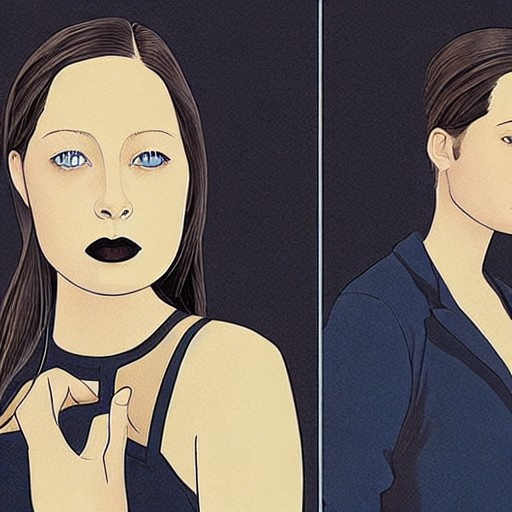
A recent fake selfie of actress Mia Goth fooled the internet, sparking a debate on the authenticity of social media content and the role of AI in spreading misinformation. A spokesperson for Goth called the viral ruse 'disconcerting on a fundamental level,' blaming Instagram for allowing the false image to circulate. The incident raises questions about the integrity of verified accounts and the speed at which AI-generated content can spread misinformation.
The verified @miagoth_ Instagram account, which has no affiliation with the actress, featured the AI-generated image, leading news sources to report on the false information. Christine Tripicchio, spokesperson for Goth, stated, 'The fact that this fan account meets Instagram’s criteria to qualify for a blue check is disconcerting on a fundamental level. Beyond that, it is incomprehensible that Instagram evidently prioritizes the dissemination of forged and manipulated images over the protection and integrity of a public figure’s likeness.'
The issue of parasociality, where fans feel a connection with celebrities, is further complicated by the ease with which AI can create convincing images. The internet's appetite for drama and the technological advancement of AI only exacerbate the problem. The recent Taylor Swift TikTok scam also highlights the increasing concern over AI hoaxes.
As AI technology continues to evolve, there is a growing need for better labelling and regulation to prevent the spread of false information. Stars like Mia Goth are increasingly taking a stand against AI deepfakes by trademarking their voice and likeness. The incident with the fake selfie of Mia Goth serves as a stark reminder of the potential dangers of unchecked AI in the digital age.