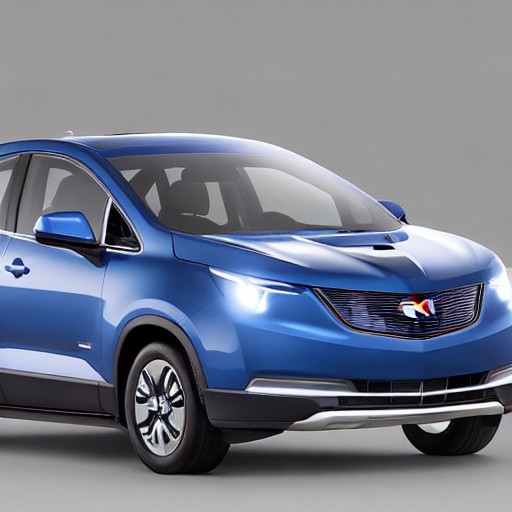
General Motors is revamping its OnStar service, adding a personal AI assistant to the 2027 Cadillac Lyriq EV, with plans to roll out more GM vehicles. This tech-centric reboot aims to give drivers and passengers an interactive and custom experience, integrating cameras and voice controls for climate and navigation. The move is part of GM's broader strategy to build a $25 billion subscription business, aligning with the auto industry's push towards more embedded AI. However, it comes after GM faced criticism and fines for data sharing practices, now promising customers more control over what information is shared.
This tech upgrade is significant, as it signifies a shift from OnStar’s traditional role as a call center to a more proactive and predictive support mechanism. With cameras and voice controls, OnStar is aiming to become deeply integrated into daily life. The new OnStar mobile app, set to launch in 2027, will sync with in-car software, replacing older apps and providing a seamless experience. This upgrade is part of a larger trend in the auto industry, where AI is becoming central to vehicle functionality, not just a gimmick.
The announcement also coincides with GM’s efforts to stay competitive, especially with Chinese automakers, who are leading in technology integration. GM has had to change its approach to software development, adopting AI tools and designing a new vehicle architecture. This transition is crucial for GM to remain relevant in the tech-savvy market, where AI is increasingly becoming a key differentiator.
However, this move also raises questions about privacy and data sharing. GM has been criticized for data sharing practices, leading to fines and legal actions. The company now promises greater transparency and customer control over data sharing, but this remains a concern. The ability to decide what data is shared, with clear time limits and encryption, is a step in the right direction, but it remains to be seen how effective these measures will be in practice.
As AI becomes more integral to our daily lives, these developments in the automotive sector are just the beginning. The OnStar AI Assistant is a testament to the growing importance of AI in our interactions with technology, whether it’s in our cars or in our homes. The question is, are we ready for a world where our vehicles are constantly talking to us?