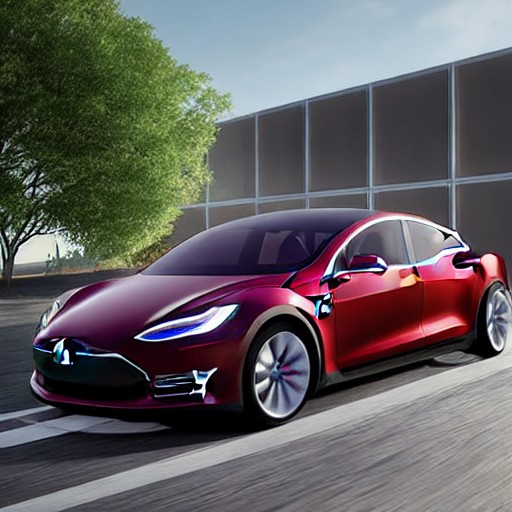
Tesla has unveiled a deadline for allowing customers to opt their cars into its robotaxi network, setting a target of Q2 2027. However, the tech giant has a track record of missed deadlines and regulatory hurdles, raising doubts about whether this ambitious plan will come to fruition.
During the company’s third-quarter earnings call, Tesla Vice President for Autonomous Driving, Ashok Elluswamy, confirmed that the software for Cybercabs and Model Y is the same, with the only additional requirement being geofencing and fleet management. The question is, will Tesla’s past shortcomings in full self-driving technology impact this new plan?
Recalling the 2019 promise of a “Tesla Network” of robotaxis, Musk envisioned a future where owners could earn passive income by adding their vehicles to the fleet. Despite these grandiose promises, the reality remains that Tesla currently has only a few hundred robotaxis, with human safety monitors in some cases.
The company’s latest financials show a positive sign with more customers opting for the Full Self-Driving feature, yet vehicle sales were down, and profits dipped. Meanwhile, Tesla has driven 3.3 million miles autonomously, up from 380,000 in July, but major regulatory and insurance hurdles remain.
Whether Tesla can overcome these challenges by 2027 is uncertain. As history has shown, bold promises often turn into quiet deadlines. But for now, the hope remains that the future is closer than it seems.