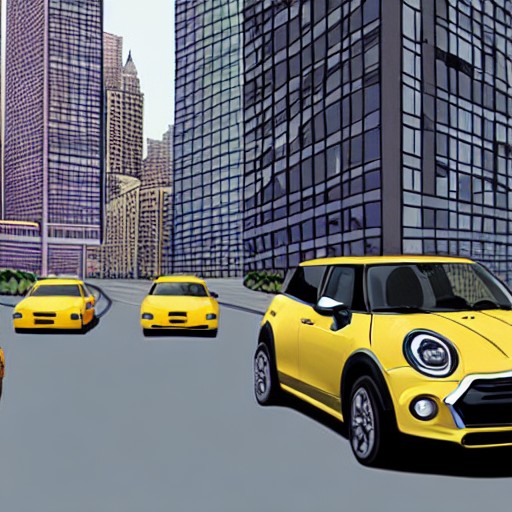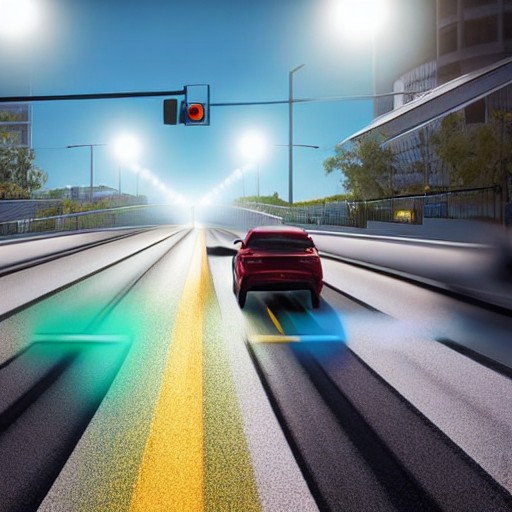
U.S. federal safety regulators have proposed new lighting requirements for autonomous vehicles, suggesting the use of cyan-coloured lights to signal when a vehicle is operating in autonomous mode. This move could signal a significant shift in how we perceive and interact with autonomous driving technology. While the lights might not be mandatory, the proposal reflects a growing need for clear and uniform identification of autonomous vehicles, a step towards a future where driverless cars are the norm.
Meanwhile, General Motors is pushing ahead with its own technological overhaul, aiming to deliver faster software and more capable automated driving features in its future vehicles. GM's plans include an autonomous highway driving feature that will allow hands-free driving, a move that could drastically change the driving experience for millions of people.
In the world of AI startups, Rivian has acquired Third Dimension, a U.K. company that uses AI to turn images and videos into lifelike 3D worlds. This acquisition aims to bridge the 'sim-to-real' gap, a crucial step in developing autonomous driving technology that can operate seamlessly in both simulated and real-world environments.
Elsewhere, ride-hailing company inDrive and Chinese autonomous driving firm Pony.ai have signed a memorandum of understanding to test robotaxis in Kazakhstan, while Reliable Robotics, a startup commercializing autonomous flying technology, has raised $115 million. These developments highlight the ongoing race to bring autonomous technology to market.
As technology continues to advance, it's clear that the future of driving is rapidly evolving. Whether we welcome or fear this change, one thing is certain: the landscape is shifting, and the use of blue-green lights might just be the tip of the iceberg.