Amazon is set to introduce a new era of home security with the Ring Rover Cam and Ring Drone Cam. These devices, equipped with advanced AI technology, aim to autonomously patrol your property, offering a seamless security solution. However, as these drones and robots become more prevalent, concerns over privacy and data security continue to grow.
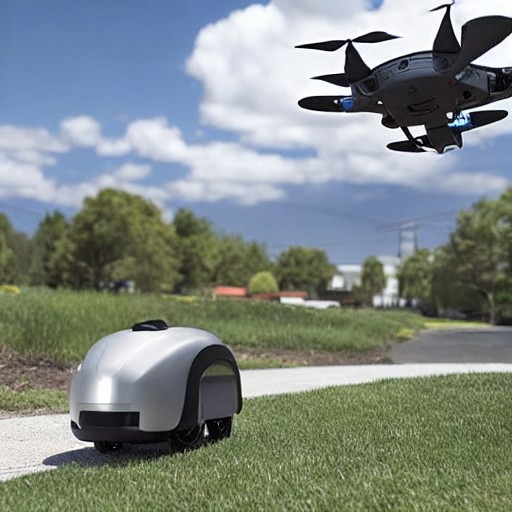
The Ring Rover Cam, designed to explore your home on the ground, and the Ring Drone Cam, capable of aerial surveillance, will both use AI to map out their environments and plan patrolling routes. This technology could revolutionize home security but also raise questions about how closely one’s private spaces will be monitored.
While the Ring Drone Cam is scheduled to launch in early 2027, its predecessor, the Ring Always Home Cam, faced regulatory hurdles. The drone’s return, now with a more polished feature set, could lead to a new normal of constant, AI-driven surveillance. But at what cost to our privacy?
The integration of AI in these devices means that they can not only track and map but also suggest strategic patrol points, potentially offering a more efficient security system. Yet, the ability to autonomously navigate and map indoor spaces could also mean that these devices are watching you in ways we may not fully understand or consent to.
As Amazon pushes the boundaries of home security, it's crucial to consider the implications for privacy. While these devices promise enhanced security, they also blur the line between protection and constant surveillance, prompting a broader conversation about the future of personal space and technology.