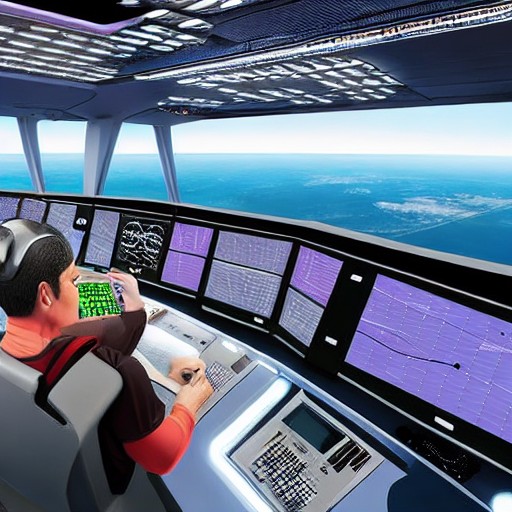
The US Federal Aviation Administration (FAA) has expanded an AI tool designed to advise air traffic controllers, aiming to reduce delays and fuel consumption nationwide.
The $875 million SMART system, first trialled in Washington, DC airspace, has already rerouted 180 flights, saving an average of 10 minutes and nearly 80 gallons of fuel per flight. The agency hopes for similar success across the entire national airspace system.
SMART is a cloud-based system that uses data on weather patterns, flight paths, traffic flow and controller staffing to predict air traffic patterns, making scheduling recommendations and determining the best flight routes. However, a human team still validates these recommendations before they are passed to air traffic control facilities.
While airline executives support the rollout, the US air traffic controllers' union is not involved in the design or testing of the AI-driven system. This expansion could herald a new era of airspace management, but questions remain about the role of human controllers in this evolving landscape.