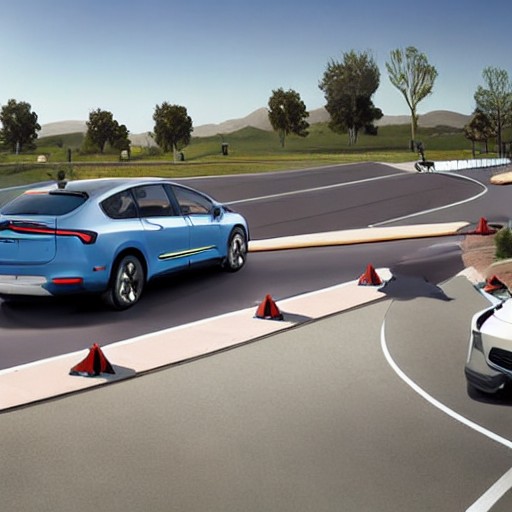
Waymo has recently been forced to keep its autonomous taxis on surface streets after California’s Department of Motor Vehicles (DMV) deemed its vehicles a risk on highways. The issue stems from Waymo’s software failing to recognize construction zones properly, with vehicles speeding into work sites multiple times.
This isn’t the first time Waymo has faced such challenges. In Arizona, similar incidents of the robotaxis ignoring warning signs and entering restricted areas prompted a recall of almost 3,800 vehicles capable of driving on freeways. The company now updates its software to improve recognition and prioritize safety in such zones, but the lesson is clear: even the smartest AI still needs a bit of human oversight.
The restriction to surface streets is a temporary measure, with Waymo aiming to resume highway operations after convincing the DMV that its vehicles are safer. This hiccup highlights the ongoing challenges in deploying autonomous vehicles, especially in complex and unpredictable environments like construction zones.
The incident underscores the importance of robust testing and continuous improvement in autonomous vehicle technology. Waymo’s current solution involves updating its software to better identify and react to hazardous conditions, but the broader issue of public safety remains a critical concern.
As autonomous vehicles continue to evolve, incidents like these serve as a reminder that even the most advanced technology requires careful regulation and oversight to ensure public safety.