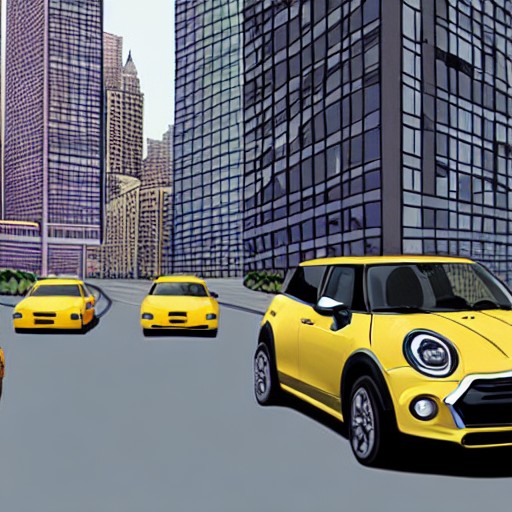
In a late August earnings call, Uber CEO Dara Khosrowshahi sounded optimistic about his company’s partnership with Waymo, the global leader in autonomous robotaxis. However, several weeks later, Waymo co-CEO Tekedra Mawakana revealed that her company planned to end its exclusive robotaxi partnership with Uber, calling the mixed-fleet experience a 'crapshoot' for its own customers. Starting in January 2028, riders in Austin and Atlanta will be able to use the Waymo app to hail driverless rides directly.
AI chatbots might be grabbing the headlines, but robotaxis and sidewalk bots are the ones physically delivering the goods. Autonomy is now a commercial business, albeit an unprofitable one, and the companies building the robots no longer want an intermediary standing between them and their customers. This is bad news for Uber, which aspires to be the premier robot-powered ridehail and delivery app on the planet.
Uber's pitch to robotaxi and sidewalk robot operators was simple: let us help you get off the ground by connecting your vehicles to our massive customer base and encouraging a skeptical public to give them a try. Initially, it seemed like a pretty good deal. If you’re a cash-strapped autonomous vehicle startup, why not piggyback on Uber’s platform?
Waymo and Serve Robotics aren’t the only ones seeing the benefit. More than 30 companies around the world have deals with Uber to feature their autonomous vehicles on its app. By 2028, Uber expects to have 'tens of thousands' of unsupervised AVs across more than 50 cities. But the only problem with this strategy is that partners eventually get antsy and want to split off on their own.
According to The Driverless Digest's Harry Campbell, 'Waymo held the cards and tried this experiment with Uber, and within about six to 12 months, I think they knew it wasn’t working that well.' The main issue was consistency. Uber’s theory was that customers could hail a ride and get paired with either a robotaxi or a human driver, whichever was closer. But as Waymo discovered, many riders preferred to know exactly what they were getting.