The state of artificial intelligence (AI) is a hot topic, with experts and the public viewing it through vastly different lenses. According to Stanford's 2026 AI Index, 73% of US experts see AI’s impact as positive for jobs, compared to just 23% of the general population.
The divide isn't confined to employment; similar gaps exist in perceptions of AI's economic and health impacts. This discrepancy is likely due to differing experiences: those using AI daily often have a more positive view, while others encounter the technology’s limitations first-hand.
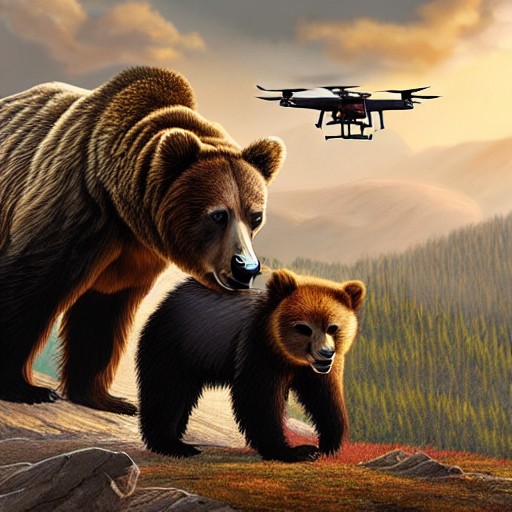
Meanwhile, wildlife biologist Wesley Sarmento is using drones as a tool to keep grizzly bears and humans out of harm's way in Montana. His work highlights how innovative applications of AI can make real-world differences in conservation efforts.
The newsletter also delves into AI’s limitations, noting that even top agents perform only half as well as human scientists on complex tasks. Yet, the tech is rapidly evolving, with new breakthroughs and challenges emerging.
As we navigate this dynamic landscape, it's clear that AI will continue to transform various aspects of our lives. Whether it's through unexpected applications like drone wildlife management or more profound impacts on employment and health, one thing is certain: AI isn't just a passing fad. It’s here to stay.