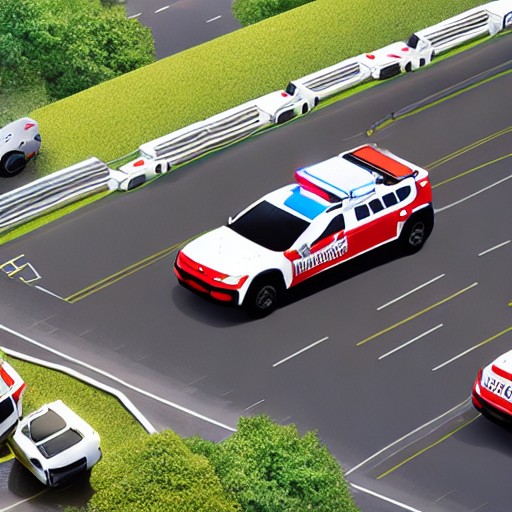
California's I-280 was not just a highway, but also a stage for an unexpected performance. In August last year, as firefighters fought a grass blaze and police directed traffic, one Waymo robotaxi found itself stuck on the shoulder, unable to reverse or navigate around the wrong-way cars.
When remote assistance proved insufficient, Waymo turned to an unlikely ally: 911. A California Highway Patrol officer eventually freed the vehicle, but this incident is far from isolated. In at least six cases, first responders have had to take charge of Waymo's vehicles during emergencies, including one harrowing moment amid a mass shooting response.
The reliance on taxpayer-funded assistance raises questions about the future of autonomous vehicles. While Waymo claims its roadside assistance team handles many incidents internally, critics argue that public safety officers are being overburdened with the role of default roadside assistance.
Waymo's robotaxis, which provide around 400,000 rides per week, depend on humans for guidance in complex situations. Remote assistance workers, based both in the U.S. and the Philippines, offer crucial input to the vehicles' decision-making processes. Yet, as these incidents highlight, even advanced technology can't always navigate every situation alone.
The question remains: how much human intervention is too much? As Waymo expands its service to over 20 new cities this year, it must grapple with balancing autonomy and dependency on human helpers.