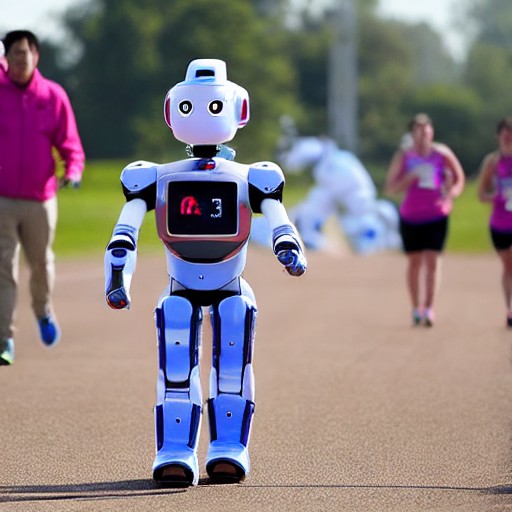
Over the weekend in China, a humanoid robot developed by smartphone maker Honor shattered the human half-marathon record by seven minutes, finishing the 13.1-mile race in 50 minutes and 26 seconds.
At Beijing's E-Town, over 100 humanoid robots from 76 institutions joined an additional 12,000 human runners. The contrast between man and machine was stark: while the fastest robot took just under an hour to complete the race, many fell or veered off course.
The winning Honor robot featured long legs, advanced balance systems, and liquid cooling—a nod to elite athletes. It ran autonomously, adjusting its pace in real time without human intervention. Another remote-controlled robot even finished faster—48 minutes and 19 seconds.
While the race showcased China’s advancements in robotics, it also highlighted the reliability challenges that still exist. Nevertheless, this milestone raises questions about whether machines can redefine physical limits in specific domains, even if accidents are common.