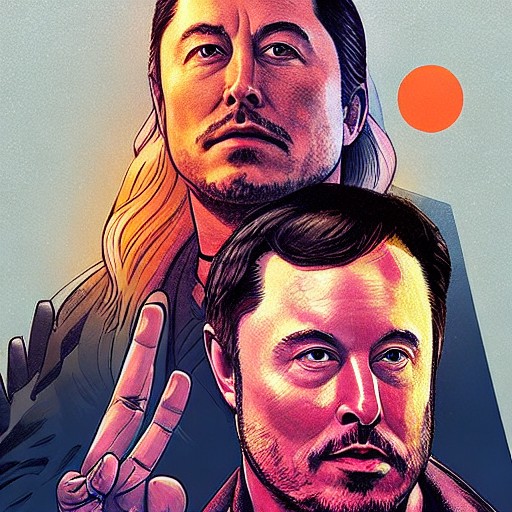
Sam Altman and Elon Musk are set to face off in a high-stakes trial that could alter the future of tech’s leading AI startup, OpenAI. The trial begins with jury selection on April 27th, as Musk pushes forward his 2024 lawsuit that accuses OpenAI of abandoning its founding mission of developing AI to benefit humanity and shifting focus to boosting profits instead.
Musk was a cofounder of OpenAI and claims that Altman and Greg Brockman tricked him into giving the company money, only to turn their backs on their original goal. However, OpenAI says that “This lawsuit has always been a baseless and jealous bid to derail a competitor” in a bid to boost Musk’s own SpaceX / xAI / X companies that have launched Grok as a competitor to ChatGPT.
In his lawsuit, Musk is asking for the removal of Altman and Brockman, and for OpenAI to stop operating as a public benefit corporation. Musk has also demanded that OpenAI’s nonprofit receive up to $150 billion in damages he’s asking for if he wins the case.
Theoretically, it’s a legal case about whether OpenAI defrauded Musk. But that’s not really what we’re all doing here. This is about mess. Over the past couple of years, Musk’s legal theories for punishing OpenAI have run the gamut from breach of contract to unfair business practices to false advertising.
As OpenAI was ironing out a new deal with Microsoft in 2016 — one that would nab the young startup critical compute to build what would become ChatGPT — Sam Altman needed the blessing of his biggest investor, Elon Musk. But Musk hated the idea, saying it made him feel “nauseous.”