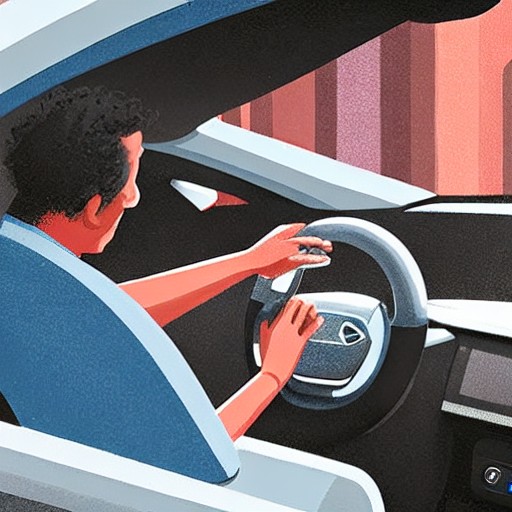
When GM first rolled out Super Cruise in 2017 with the Cadillac CT6, it was a bold step towards hands-free driving. Now, less than a decade later, over 750,000 vehicles have clocked up more than a billion miles of autonomous cruising on restricted-access highways.
Unlike some competitors, Super Cruise operates within geofenced areas, ensuring safety by using lidar scans and HD maps. It also keeps an eye on the driver with a camera to ensure they remain alert.
The system's success is evident in its high renewal rate: 40% of GM owners opt for Super Cruise after their initial three-year free period. This figures suggests it’s not just another novelty; it’s become as indispensable as a toothbrush, used multiple times daily by many drivers.
Since its inception, the mapped road network has more than doubled, from over 160,000 miles in 2018 to almost 700,000 miles today. On average, users log around 24 minutes of autonomous driving per trip, with many making weekly or even daily use of Super Cruise.
Despite the growth and success, one question lingers: is humanity ready to hand over complete control to technology?