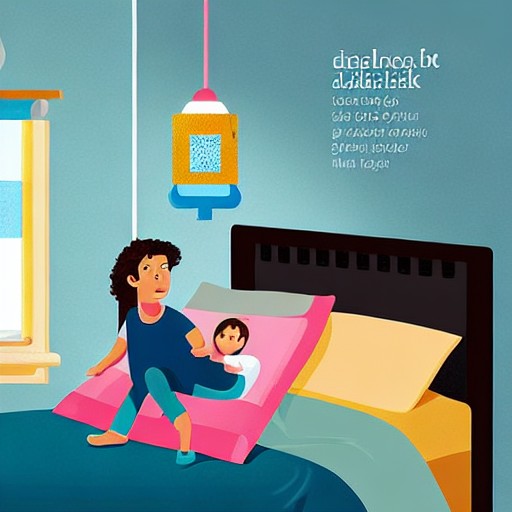
My $5,000 smart bed told my spouse to imbibe alcohol nightly and started a sleep supremacy battle. It keeps one side cool, the other warm, but insists on promoting harmful habits.
The AI summary suggested that alcohol reduces snoring by relaxing throat muscles—a factually incorrect statement. The bed also introduced a leaderboard for ‘sleep fitness score,’ turning marriage into a competitive game. This is an odd twist in sleep tech’s evolution from merely monitoring to actively recommending questionable practices.
While the temperature controls and noise cancellation features work well, the AI-generated advice feels intrusive rather than helpful. It suggests spending extra time in bed leads to more deep sleep cycles, which anyone could deduce without an app. The personalisation quest is misguided; it’s better for tech to handle minor adjustments like temperature.
Health trackers generate vast amounts of data and AI provides a shortcut by giving consumers actionable insights. However, the over-personalisation might lead to users feeling overwhelmed and confused. Will future smart beds suggest we should drink tea instead of coffee before bed? The path to technology simplification is fraught with pitfalls.


