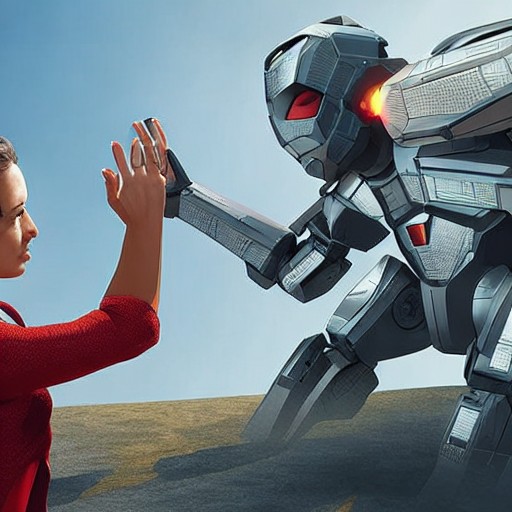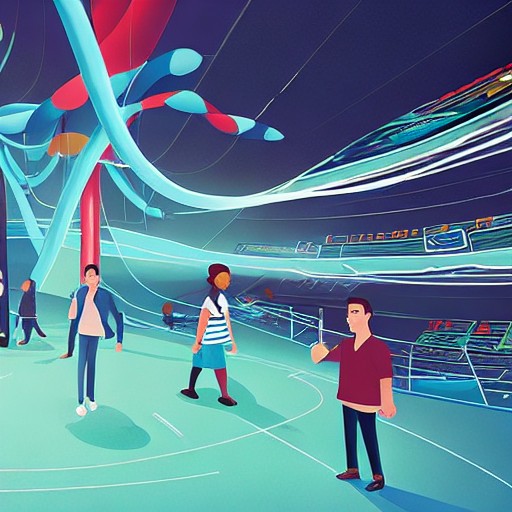
Philosopher Nick Bostrom recently proposed that the potential benefits of advanced AI outweigh the risks, arguing that even if such technology were to lead to human extinction, it might still extend our lives. In his latest work, 'Deep Utopia,' he envisions a future where AI could create unimaginable abundance and solve humanity’s existential issues.
Bostrom's perspective has evolved from earlier warnings about the dangers of artificial intelligence in his 2014 book 'Superintelligence.' His current optimism stems from believing that if we get AI right, it could alleviate human suffering and improve our quality of life immensely. However, he acknowledges the potential for things to go wrong and questions whether society is prepared to distribute this newfound abundance fairly.
The philosopher also considers the existential impact on humanity’s purpose in a world where AI handles most tasks. He muses that while AI might write better philosophy papers than him, there's something uniquely human about his contributions. Bostrom envisions a future where humans could spend their time pursuing more meaningful activities like games and artistic endeavours.
Beyond the philosophical musings, Bostrom advocates for ethical considerations in AI development, particularly regarding digital minds that might one day possess moral status similar to animals. He suggests greater efforts should be made to ensure these digital entities are treated ethically as they become more sophisticated.