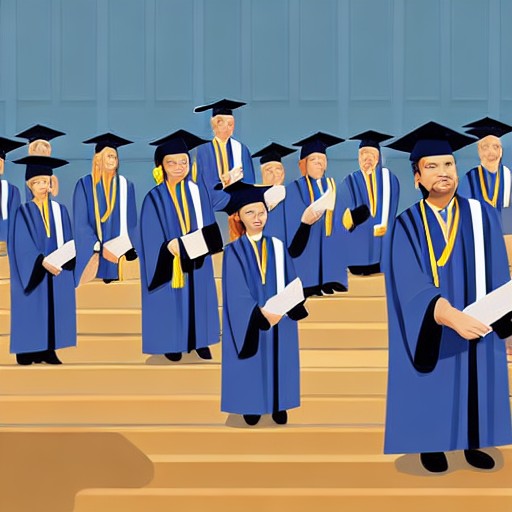
Commencement season has once again witnessed graduates rejecting the idea that artificial intelligence (AI) will shape their futures. At recent graduations, speeches touching on this topic were met with boos and cheers alike.
Gloria Caulfield, an executive at Tavistock Development Company, attempted to inspire her audience by declaring AI “the next industrial revolution.” However, she was swiftly interrupted by derisive laughter, prompting her to admit that she had “struck a chord” with the crowd. Eric Schmidt faced similar hostility during his speech at University of Arizona, despite initial pushback originating from student groups calling for his removal over allegations of sexual assault.
The backlash against AI is not universal; some speakers like Nvidia CEO Jensen Huang managed to praise it without provoking much opposition. Yet, given the current economic climate, where only 43% of young Americans believe it’s a good time to find work locally, it’s understandable why students might be wary of AI.
For many graduates, AI has become a symbol of what they perceive as an unfair and ruthless capitalist system. Brian Merchant notes that if he were in his twenties today, he too would boo at the prospect of another industrial revolution, especially with aspirations of creating meaningful change.
The recurring theme among speakers was resilience, acknowledging fears about the future and the challenges ahead. Nevertheless, it’s clear that AI has become a contentious topic, reflecting broader anxieties about technology’s role in society.