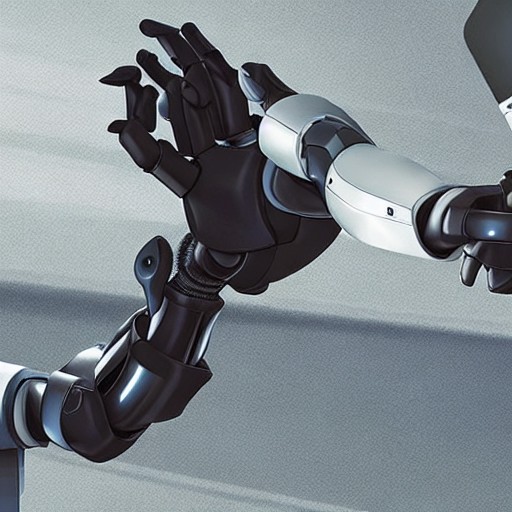
I recently integrated my OpenClaw AI with a physical robot arm called the LeRobot 101. The results were impressive; not only could it manipulate objects, but it also trained another model to pick up and place specific items. This breakthrough suggests that we might be on the cusp of significant advancements in robotics.
AI-powered coding has shown incredible potential by bridging the gap between traditional engineering methods and more advanced vision-language models. According to Ken Goldberg from UC Berkeley, this approach could revolutionize how we build and control robots. I purchased a prebuilt arm as part of an open-source project from HuggingFace that makes robotics accessible and affordable.
The process wasn’t without its challenges; initial attempts at connecting and calibrating the robot nearly caused motor burnout due to incorrect settings. However, with assistance from OpenClaw and Codex, I managed to create a simple program that allowed the claw to close around a red ball. This experience highlighted both the power and limitations of AI in coding.
Next, we experimented with training an AI model to control the arm. OpenClaw adeptly guided me through the process, ensuring each step was accurate and minimizing errors. The code-as-policy method is gaining traction in labs worldwide, as it allows anyone to build robots using spoken or typed commands, making robotics more accessible than ever before.