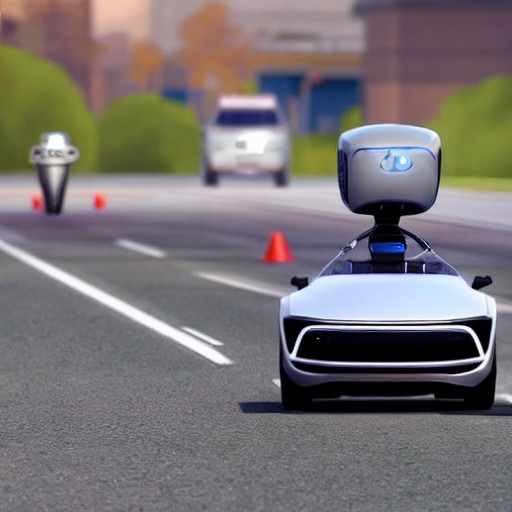
Waymo now handles 500,000 paid rides weekly in its self-driving taxis. But when these vehicles get stuck, who calls the cavalry? According to a TechCrunch investigation, first responders often do.
In emergencies, Waymo’s robotaxis can block critical routes, forcing police to move them out of harm's way. This raises questions about public resources versus private tech, with some arguing our emergency services should not be used for such tasks.
The issue extends beyond Waymo. Companies like Motional and Zoox are also developing self-driving fleets, each potentially relying on first responders in different ways. Tesla’s ambitions in Austin add another layer of complexity to this evolving landscape.
Meanwhile, other tech deals like Zipline’s $800 million funding round highlight the broader impacts of autonomous technology beyond just ridesharing. As these vehicles become more integrated into our daily lives, so too does their reliance on public services for support.
The future of transportation is here, but with it comes questions about responsibility and resource allocation. Who will foot the bill when robots break down?