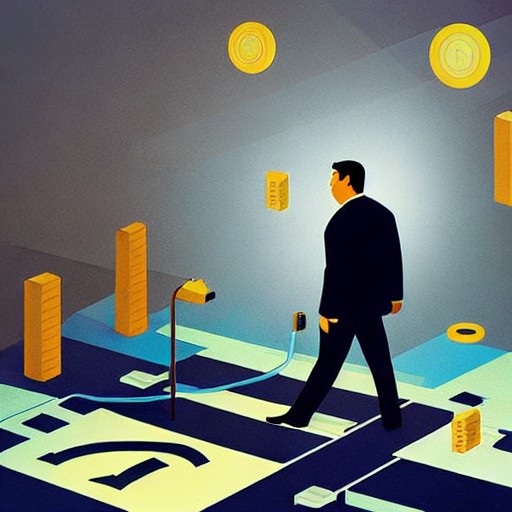
As I watched Google's Gemini Spark flawlessly schedule meetings and color-code calendars, I couldn’t help but think of my mother’s countless hours spent cutting coupons. The AI is slick, but can it mend a broken economy or merely rearrange the chairs on the Titanic?
The productivity narrative has always been a double-edged sword: hustle culture meets procrastination panic. Now, as Silicon Valley promises us a post-work utopia, we’re left wondering if they’ve created more problems than solutions. While Elon Musk dreams of robots doing everything, Zuckerberg’s yacht seems to be a reminder that not everyone benefits from the AI revolution.
The real question is whether these advancements are worth the cost. As companies like Google reap trillions in valuation, wages stagnate and social safety nets erode. Can we really afford an AI-driven future where some have all the fun while others struggle to survive?
AI assistants might make planning a fun day easier, but what if there’s no free time left? The resistance against new technologies is nothing new—Luddites had their reasons—but perhaps this time, the stakes are higher. Will we be content with AI as our personal servants or will it turn out to be just another tool for corporate control?