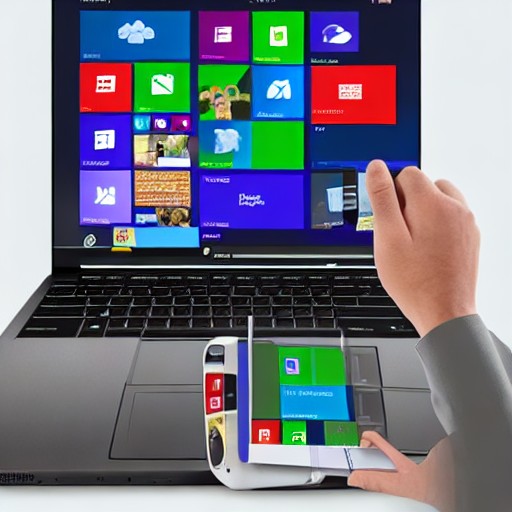
At this year's Build conference, Microsoft returned to its roots, with CEO Satya Nadella emphasizing Windows as central. The company unveiled new Surface hardware and highlighted local AI compute capabilities, positioning Windows as a platform for hybrid computing. While the focus on Windows seems like a departure from recent trends, it might be the key to unlocking more powerful AI experiences.
The introduction of Nvidia's RTX Spark chips into the Windows ecosystem is seen as a game-changer, allowing for more local AI workloads and reducing reliance on cloud services. Pavan Davuluri, head of Windows, believes this approach can address the shortcomings of previous iterations of hybrid computing solutions.
Making waves in the developer community, Microsoft's Surface Laptop Ultra was unveiled with performance improvements and developer-friendly features. However, its future remains uncertain as questions arise about whether a new version of Windows is necessary or if existing models can be enhanced to meet the demands of an AI-driven world.
The launch of Project Solara, powered by Android, adds a twist to Microsoft's strategy. This platform could set a precedent for dedicated AI devices, potentially challenging traditional notions of operating systems and their roles in our daily lives.
As AI continues to reshape computing paradigms, Microsoft’s strategic pivot towards Windows might not just be about fixing past issues but about creating the future of personal computing.