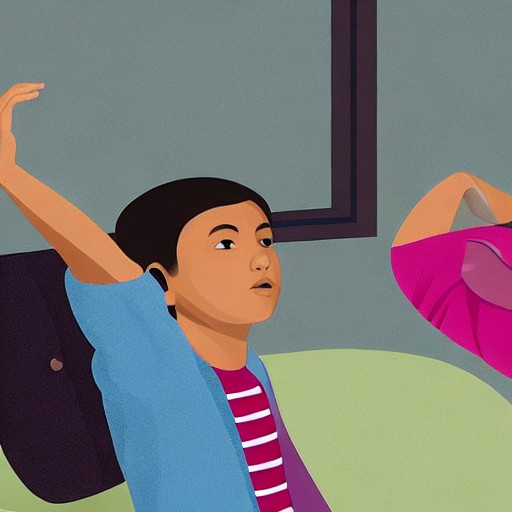
Lilian Schmidt, a brand consultant from Zurich, found herself at wit's end trying to put her three-and-a-half-year-old daughter to bed. None of the tried and tested methods—white noise machines, blackout curtains, even massaging—had worked.
Desperate for solutions, she turned to ChatGPT, which suggested stimulating activities like chewing gum or trampoline jumping before bedtime. To her surprise, it worked almost immediately. Within five minutes, her daughter was fast asleep. This serendipitous discovery led Schmidt to become an AI evangelist and launch a custom GPT service.
Her journey is part of a growing trend among women who see generative AI as a potential solution to the invisible labor mothers carry. Schmidt’s content focuses on how AI can help with everyday parenting tasks, making moms more present and emotionally regulated.
The disparity between men's and women's usage of generative AI highlights what Stephanie Leblanc-Godfrey calls the “PMS” problem: a lack of representation in tech that reflects the needs of mothers. Many prominent women are now leveraging this technology to empower themselves, but concerns about environmental impacts and workforce displacement loom large.