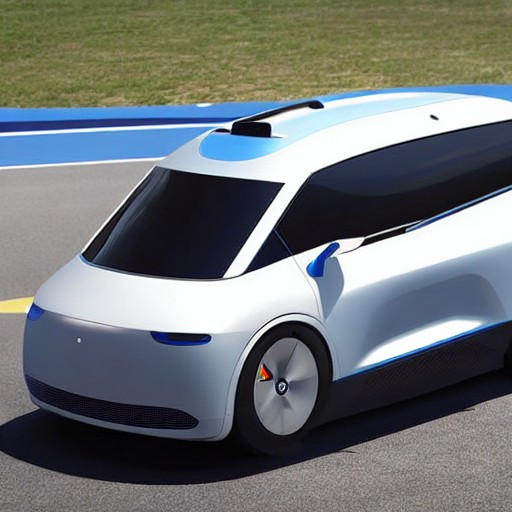
Waymo, Google’s autonomous vehicle arm, is gearing up for its biggest test yet: the FIFA World Cup. Six stadiums across North America will see robotaxis whisking fans to and from matches, with hopes that self-driving technology can finally move beyond hype to real-world application.
The company claims it's serving half a million rides a week—fewer than traditional taxis but more impressive given the lack of human control. Yet autonomous vehicles still struggle with the simple mathematics of crowd transportation: thousands of people need to get somewhere at once, and roads are finite.
Floods and construction zones have already caused Waymo some headaches, leading to service suspensions in certain areas. But for now, the focus is on making the World Cup a success. Local authorities will collaborate with Waymo to ensure smooth operations, just as they do with traditional ride-hailing services like Uber and Lyft.
Will autonomous vehicles transform transportation or simply join the ranks of other solutions that promise much but deliver less? As Millard-Ball, an urban planning professor, points out, traffic-free cities are a utopian dream. The future may be more about adapting existing systems to accommodate new technologies rather than replacing them entirely.