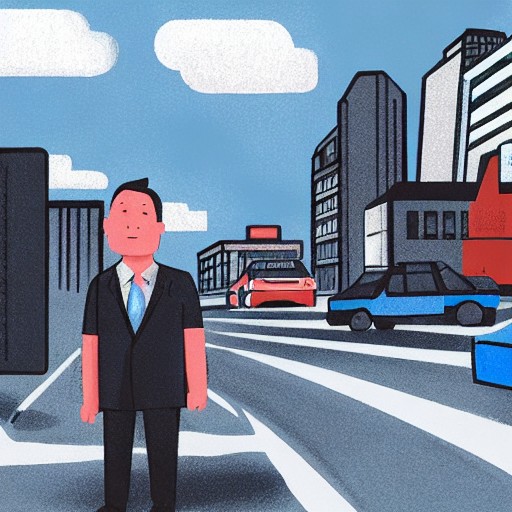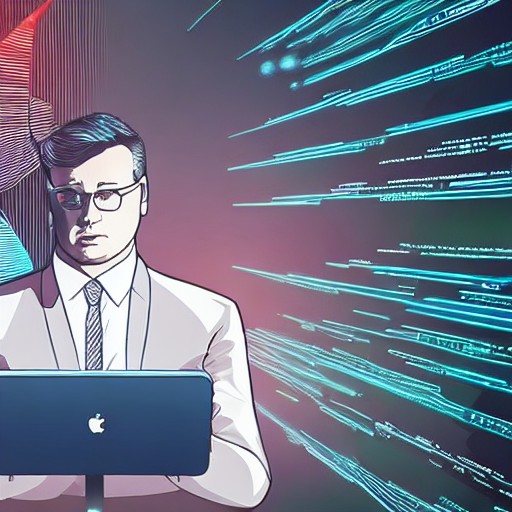
A series of letters sent by autonomous-vehicle (AV) developers to Senator Ed Markey reveals that remote human assistance is integral to the operation of robotaxis. Tesla stands out among its peers for allowing its remote assistants, based in Austin and Palo Alto, to directly control their vehicles under certain conditions.
The practice, while critical for safety, highlights the limitations of current AV technology. Six other firms insist on providing input rather than direct driving, citing issues such as internet latency and the need for immediate situational awareness.
Despite advances in automation, remote assistance programs are seen as necessary backstops to ensure public safety. Senator Markey called for greater transparency, arguing that these companies are hiding key information about their AVs' true level of autonomy from lawmakers and regulators.
The industry is aware of the risks associated with relying on human intervention, yet continues to use it as a fallback mechanism. This suggests that fully autonomous vehicles remain a distant goal, despite the hype surrounding them.