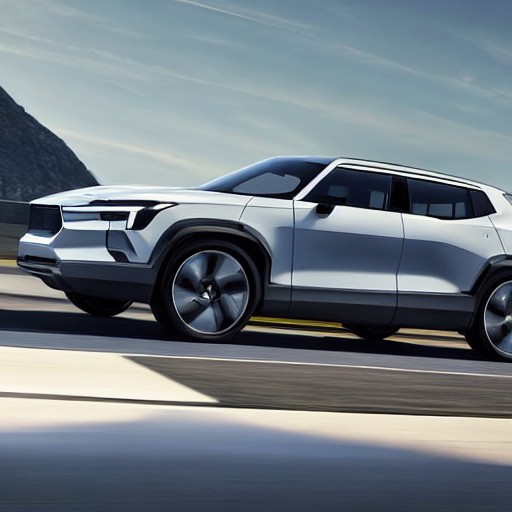
The electric car brand Polestar has received a significant blow after the U.S. Commerce Department denied authorization for new models from model year 2027 onwards, due to a rule banning connected cars with Chinese links.
This decision comes despite the fact that some of Polestar’s current vehicles are manufactured in South Carolina and much of its production remains in China. The company will continue selling existing stock while supporting customers through its service network but can no longer hope for future models to be sold in the U.S., including the highly anticipated Polestar 5 sedan and 6 roadster.
Commenting on this, Michael Lohscheller, Polestar’s CEO, stated that the automotive industry is entering a new phase based on regional dynamics. Europe will now be the main growth engine for the company, with plans to manufacture Polestar 7 there, even though its record sales in 2025 and Q1 2026 suggest otherwise.
U.S. domestic auto manufacturing interests have successfully lobbied for protectionist measures. Ironically, many of Polestar’s current vehicles are assembled stateside or in South Korea, highlighting the complex global supply chain in the industry.
The future of automotive imports and manufacturing is increasingly tied to geopolitical considerations, raising questions about how these decisions might shape the market and consumer choices.