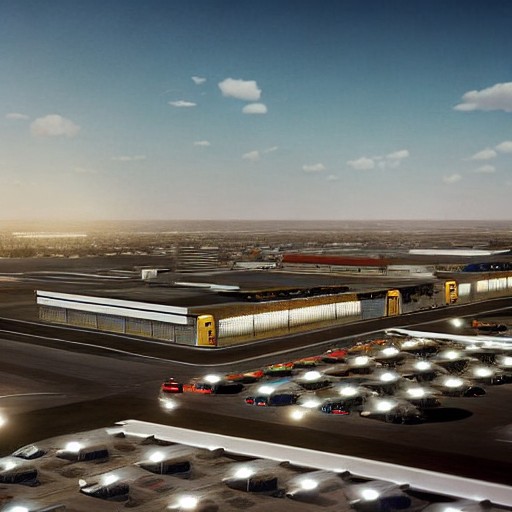
Omaira Garcia never imagined her small ranch in Abilene, Texas, would be overshadowed by a data center. Construction began in 2024 and dust from the project has since engulfed her home.
The nearby OpenAI Stargate data center's natural-gas-powered plant is now just 500 yards away, visible through her kitchen window. The Air Force veteran says she was given no time to understand its impact on her life.
Despite the potential economic benefits—funding new fire trucks and road improvements—the community feels trapped. Texas, with over 300 data centers in operation and more than 200 in development, is poised to become the nation's leading market by 2030. But a regulatory loophole allows these massive power sources to emit pollutants without public notice.
Typically, building such emissions requires major air permits with extensive reviews. However, data centers like Stargate have sidestepped this process through minor permits often used for small businesses like dry cleaners. This has left communities unaware until exhaust stacks appear in their backyards.
If completed, nine planned gas plants tied to data centers could emit more greenhouse gases than 35 coal-fired power plants annually. Despite these potential risks, Texas remains a hotbed for AI-driven fossil fuel projects, driven by prolific gas reserves and industry-friendly policies.