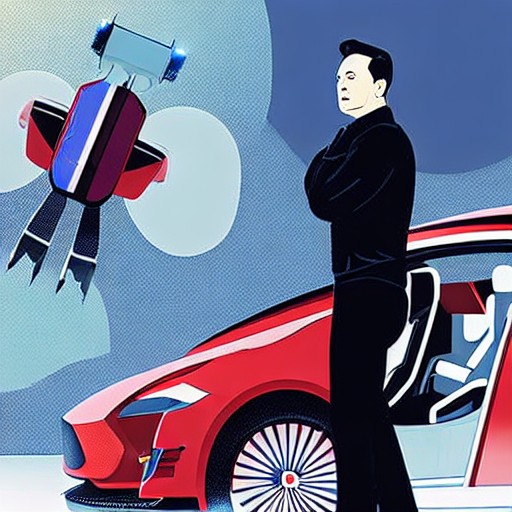
Elon Musk has long argued that Tesla's future lies in artificial intelligence (AI) and robotics, not cars. Analysis of the company's earnings calls over the past few years reveals a remarkable transformation: Musk now spends almost half his time discussing AI advancements like Optimus robots and autonomous taxis.
The shift in focus is stark. In 2019, he spent only 15% to 20% of his time on these topics. By 2025, that figure had surged to nearly 50%. Meanwhile, the automotive business, once a dominant topic, now occupies less than a third of his attention.
Musk's enthusiasm for AI is mirrored by other Tesla executives, though they remain slower to embrace the change. They still spend about 30% of their time talking about cars and manufacturing—far less than Musk but more than in previous years.
With increased competition from traditional automakers and new Chinese manufacturers, Tesla's core automotive business is stagnating. This has forced a repositioning towards AI and robotics, which may not yet be generating revenue but certainly command attention in the boardroom.
The future of Tesla—and perhaps humanity—seems to lie in machines rather than metal. But for now, it’s all about who can make the most convincing case for that future.