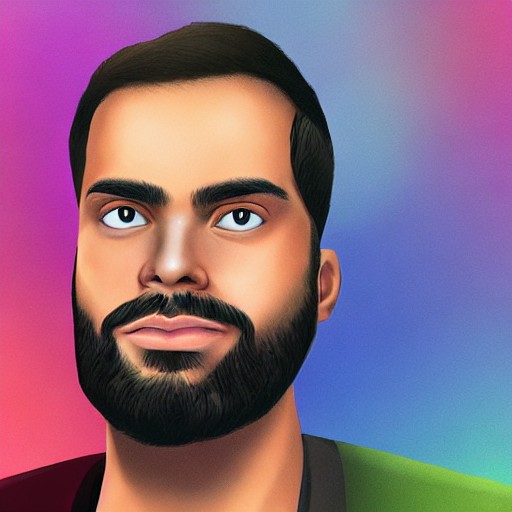
Clarissa Mansbridge spent years crafting brands behind the scenes but turned to creating an AI influencer named Mia Metaverse when her son’s health brought his career to a standstill. Today, she earns around $6,000 monthly from AI collaborations but fears upcoming regulations might change that.
Australia-based Mansbridge is just one of many creators in the burgeoning virtual influencer market, valued at an estimated $14.5 billion and projected to grow exponentially by 2033. Yet as new laws like the EU’s Artificial Intelligence Act mandate clear labeling for AI-generated content, the future looks uncertain.
‘Swinging at AI content with a sledgehammer’—so says Matt Navarra, critiquing platforms that now try to reduce AI spam despite their earlier reliance on it. Lionel Metge, who created an AI artist named Zairo, already feels the effects of these shifts as social media algorithms change.
For creators like Mansbridge and Metge, the risks lie in navigating a regulatory maze with no clear direction. They worry that upcoming revisions might force them to label their content more precisely, potentially harming their businesses.
The EU’s AI Act, while intended to foster 'trustworthy AI', leaves plenty of room for interpretation, allowing creators to fall into legal gray areas. As the market evolves, so too must the laws that govern it—leaving a trail of uncertainty behind.