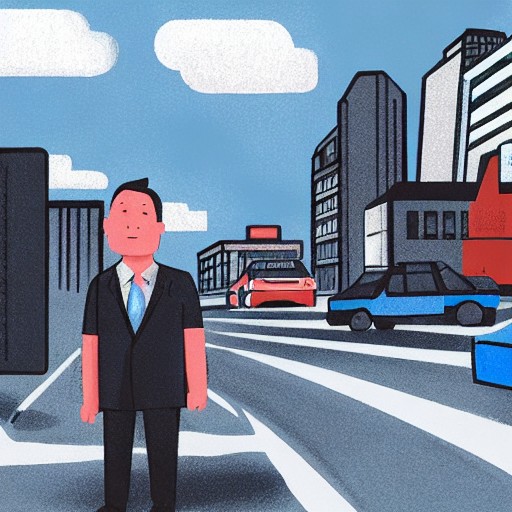
On June 25, 2021, a record-breaking heat dome swept through Vancouver, pushing temperatures past 102 degrees Fahrenheit. Emergency Room doctor Yoo was unprepared to handle the surge of patients suffering from heat-related illnesses.
The situation quickly deteriorated, with paramedics lining hallways and beds running low—a phenomenon known as 'bed blocks.' One middle-aged man found unconscious on a hot sidewalk brought with him more than just dehydration; he exhibited symptoms of schizophrenia. This case highlighted a disturbing trend: people with schizophrenia are disproportionately affected by heat waves.
The study revealed that during the BC heat dome, those with schizophrenia made up 16 percent of heat-related deaths, compared to their mere one percent representation in the general population. Montreal faced an even more severe situation in 2018, where this group accounted for 26 percent of fatalities.
Dr Nathalie Kirby explains that people with schizophrenia have 'wonky thermoregulation,' making it harder for them to cool themselves effectively. Antipsychotic medications can further reduce their ability to sweat, compounding the risk. Meanwhile, the disorganized thinking and altered perceptions associated with the disorder contribute to a vicious cycle of heightened cardiovascular risk during heatwaves.
The findings underscore the pressing need for tailored public health measures to protect those with mental illnesses, especially as extreme weather events become more frequent due to climate change.