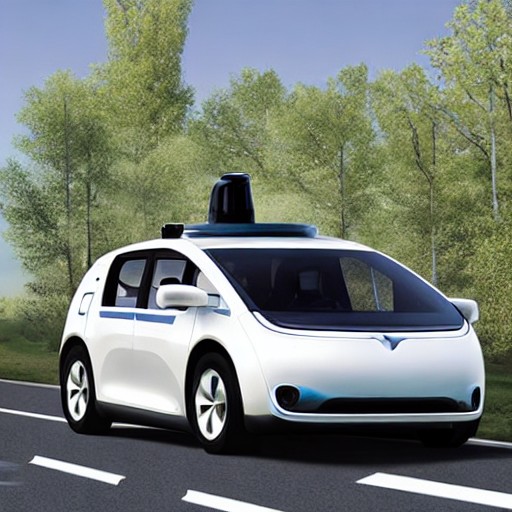
Waymo is stepping up its game with a custom 5nm ASIC chip designed to handle the massive influx of data from its fleet of 13 high-fidelity cameras. This new silicon heart beats at over 1,000 TOPS, positioning it alongside Nvidia’s latest processor. The outcome? A self-driving system that reacts faster and safer in urban environments.
However, Waymo isn’t flying solo. It has a roster of tech giants as partners, including AMD, Micron, Nvidia and Samsung, all working together to propel this futuristic tech forward. But there’s a catch: the Idaho National Laboratory is also investigating potential security risks posed by Chinese lidar sensors.
Meanwhile, in the world of micromobility, Also has upped its game with pedal-assist electric bikes and autonomous small electric vehicles. The startup recently raised $150 million, hinting at a broader vision beyond just delivery robots. And Serve Robotics continues to diversify its partnerships, securing deals with Grubhub and DoorDash.
Amid all this innovation, the question remains: is tech making self-driving cars smarter or just more costly? It’s an AI-driven debate that humanity must grapple with.