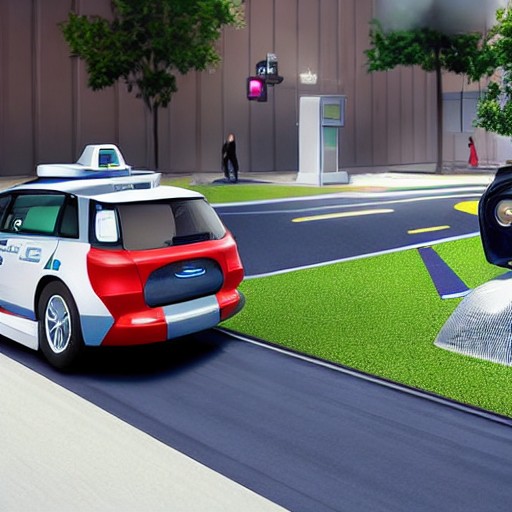
Despite the promise of safer roads, a closer look at the data reveals a concerning cost to human workers. From Waymo and Zoox to other lesser-known players, test drivers have reported dozens of injuries as autonomous vehicles (AVs) struggle to handle sudden stops and turns. The data raises questions about the broader safety and ethical implications of AV development.
Sean O’Kane’s investigation delves into the experiences of these workers, highlighting the physical and emotional toll of being the human safety net for AV technology. The story is a stark reminder that the race to the future is not without its human costs.
But the issue extends beyond these companies. With OSHA reporting requirements, the true scale of injuries across the industry remains obscured. This raises questions about the broader safety and ethical implications of AV development.
The article also touches on the commercial success stories, such as Gatik, which has scaled its self-driving box trucks from R&D to commercial operations. Its $200 million funding round and multiyear deal with PepsiCo highlight the growing interest and investment in the AV sector. Other highlights include the expansion of AV technologies into new markets, such as the launch of Waymo in Munich, and the ongoing challenges faced by companies like Rivian, as its CFO resigns amid scaling issues.
The article concludes with a reminder that while progress in AV technology is commendable, it is crucial to consider the human impact. The future of transportation may be safer, but at what cost to the workers behind the scenes?