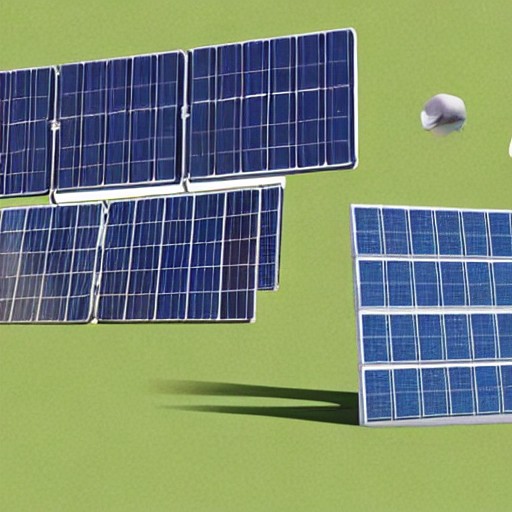
With a deep breath, I took the cable seething with 800W of solar power and plugged it directly into a standard wall jack in my home. Nothing sparked, nothing smoked, and by the end of that sunny summer day, my electricity bill had dropped to nearly $0. As unnerving as it sounds to treat a common household power outlet as a power input, these DIY plug-in solar kits, sometimes called balcony solar, have proven to be safe and effective for years already in Europe, and are slowly making their way into the US to democratize the production of energy.
Traditional plug-in solar kits include a few solar panels and a small microinverter that ties itself to the electrical grid. The microinverter converts solar energy into power that’s prioritized for use by devices inside your home. Optionally, you can add a battery to the kit to store any surplus energy produced during the day. That way, you can continue to cut your costs by feeding that stored energy back into the home when the sun goes down. These so-called power stations can also be used to power a fridge and other critical devices during a blackout. They start at around $500 for a small 1kWh battery or $1,500 for 3kWh.
I live in Europe, where millions of households, including as estimated 1.5M in Germany, have purchased plug-in solar systems over the last few years to gain a modicum of energy independence. They’re so popular, even IKEA sells them (though they’re actually just EcoFlow resellers). Plug-in solar’s popularity has been fueled by two things. Oil and gas prices have surged ever since Russia invaded Ukraine, and have remained high amid the ongoing US war with Iran. Meanwhile, global prices for solar panels and batteries have fallen to record lows — though US consumers face higher costs due to Trump’s tariffs on panels and batteries and the elimination of solar tax credits. Nevertheless, plug-in solar is finally getting a foothold in those amber waves of grain.
Historically, utility regulations in the US treated a budget solar panel in a garden like a massive 10kW rooftop array. Now, over a dozen states have passed laws or introduced bills to legalize the deployment of plug-in solar systems. The rules vary, but in general they allow for qualifying plug-in solar systems to be installed without utility preapproval so long as they meet safety requirements, prevent individual circuits from overloading, and shut down during a power outage to keep line workers safe.
In the US, plug-in solar is now legal in Virginia, Maine, Colorado, Maryland, New Jersey, Connecticut, Vermont, and New Hampshire, ever since Utah pioneered the state-level reclassification of plug-in solar as a small household appliance last year. Legislation is awaiting governor signature in California and New York, while another half-dozen states have introduced bills. In Europe, of the 27 EU member states, only Sweden and Hungary still prohibit plug-in solar devices.