At an event in San Francisco today, General Motors (GM) unveiled new strategies to tap into the vast energy storage potential of electric vehicles (EVs), aiming to use these batteries to enhance grid stability and reduce electricity demand from AI data centers.
The automaker announced the activation of vehicle-to-grid (V2G) capabilities for its current EV owners, enabling their cars to send power back to the grid during peak times. GM is also developing sodium-ion batteries for industrial-scale storage applications and has partnered with New York-based Peak Energy to explore this technology.
GM’s chief product officer Sterling Anderson stated that electric vehicles could play a significant role in balancing the electrical grid, stating: 'We see a future where electric vehicles, batteries that power them, and the country's power grids work together.'
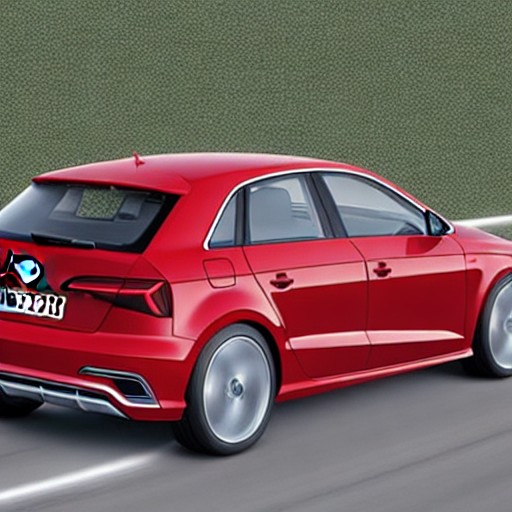
The firm envisions hundreds of thousands of EVs contributing to energy savings. Currently, over 250,000 bidirectional-capable Chevy, Cadillac, and GMC EVs are on American roads, collectively offering enough power to supply 120,000 homes for a week.
GM is piloting V2G technology in two states: Northern California and Michigan. In the former, they're working with PG&E to deploy a fleet of 52,000 EVs by 2030, while in the latter, they're testing bidirectional charging in 30 homes.