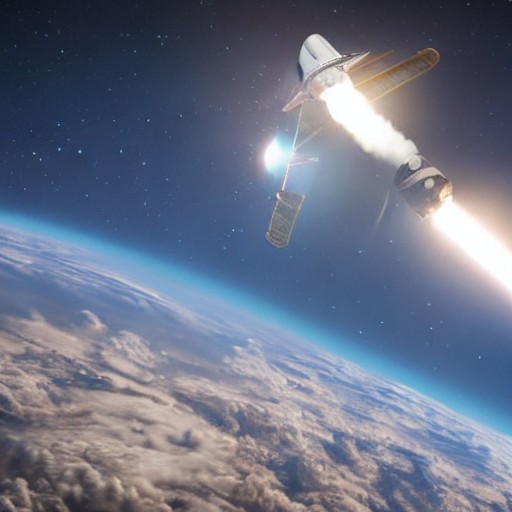
SpaceX, the private enterprise that has been revolutionising space travel for over two decades, officially entered the public domain on Friday. Shares debuted at $135 per unit, valuing the company at a staggering $1.8 trillion. By day’s end, the stock price had soared to $160.95, marking a 19% gain. The windfall extends beyond the pockets of SpaceX’s founder, Elon Musk, who now holds assets valued at over $700 billion, and includes thousands of employees who have seen their shares skyrocket into six figures.
While SpaceX continues its ambitious Mars mission plans, its future may lie less in celestial settlements and more in Earth-bound services. According to the company’s S-1 filing, AI services are poised to dominate the business landscape. SpaceX considers these services worth over 90% of its total addressable market. For Musk, this means a shift towards space-based data centres and enterprise-level applications.
However, many question whether this astronomical valuation is warranted. Critics argue that SpaceX’s sky-high stock price might be as ephemeral as the stars themselves. Despite the hype, not all stakeholders are betting on the future of space exploration. Many simply see it as a lucrative opportunity for profit in a market with uncertain returns.
As SpaceX navigates this new era of transparency and shareholder expectations, only time will tell if its vision is clear or cloudy. For now, the company stands at the intersection of space and AI, ready to launch into the unknown – but will it land softly?