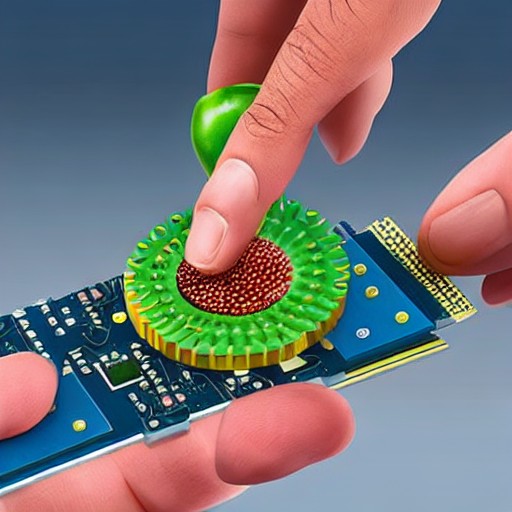
On Wednesday, OpenAI unveiled its first custom-built inference processor, named Jalapeño, made in partnership with Broadcom. Designed for unique needs of OpenAI's systems, this chip has shown significantly better performance-per-watt than current alternatives during tests.
The partnership was officially announced in October as a step towards reducing reliance on Nvidia’s GPUs, similar to moves by Google and Amazon. In its podcast, OpenAI president Greg Brockman highlighted the chip’s focus: ‘We’ve really been looking for specific workloads that are underserved.’
Jalapeño is specifically tailored for inference tasks, crucial in running pre-built AI models. The company emphasizes its low operating cost when running real-time coding models. Although more performance-intensive tasks like pre-training will still rely on Nvidia hardware, even modest reductions could improve OpenAI’s bottom line.
OpenAI’s move into purpose-built chips is part of a broader strategy to optimize every layer of the AI stack. From chip architecture to data centers, each component is designed around the same goal: making models faster, more reliable, and more affordable for users.