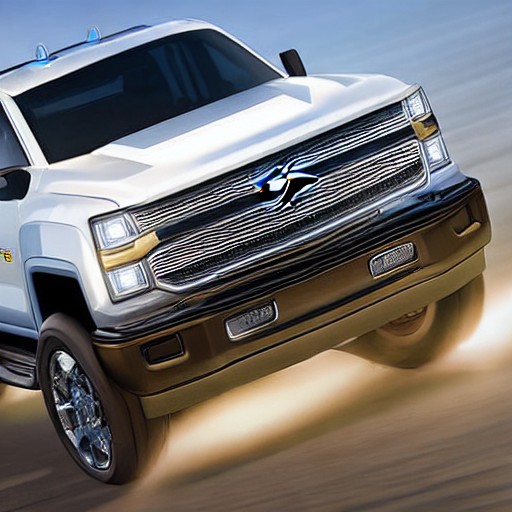
Although I grew up with my father's Chevrolet S-10 pickup truck, I’m not exactly Chevy’s target market. I favour hatchbacks over cargo beds. Yet after testing the Silverado EV in Detroit, I realised that Chevy might just make a truck guy out of me.
The Silverado EV drives almost like a car—quiet, comfortable and with a vast bed and frunk. It’ll power your house during a hurricane, tow, navigate freeways without much input from you, and travel over 400 miles on a charge. Should be the dream combination for an American pickup lover. Yet it hasn’t sold as well as expected. GM sold about 14,000 in the U.S. and Canada last year; the fossil fuel version sells ten times that in a quarter.
Getting into the Silverado EV requires a big step up from the ground but once inside, it’s spacious and comfortable. The seats are great and the infotainment system is crisp and responsive. The Super Cruise hands-free driving option works well although keeping the truck in its lane can be challenging at times. Efficiency-wise, I clocked around 2.1 miles per kilowatt-hour, which is about 10% to 20% less than my Audi e-tron.
So, why the slow sales? GM and other automakers may have misjudged the truck market, where range anxiety and charging concerns are major deterrents for potential buyers. It appears that despite its shortcomings, the Silverado EV is a solid first draft of an electric pickup truck. With some engineering tweaks to reduce weight, payload and towing capacity could improve, while also cutting costs.