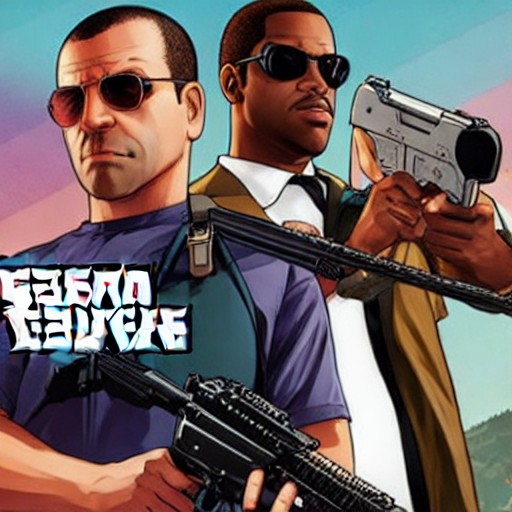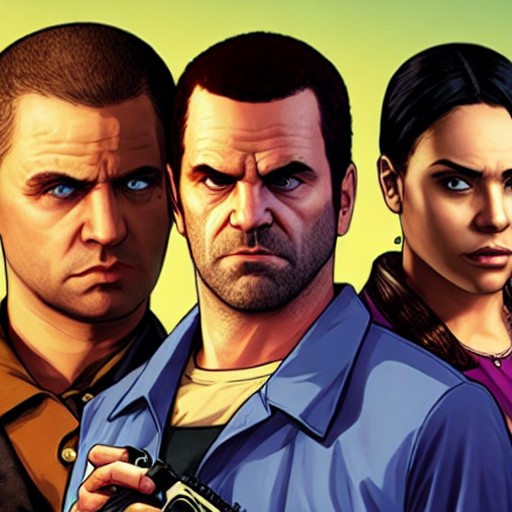
The two biggest games of 2026, Grand Theft Auto VI and The Legend of Zelda: Ocarina of Time, are set to launch just weeks apart, offering a brief respite from a year beset by industry turmoil. Analysts predict that GTA VI could boost console sales significantly, with 29% of US gamers planning to purchase it. Meanwhile, Nintendo’s ambitious remake of Ocarina of Time is poised to modernize a classic, potentially setting the stage for a live-action adaptation in 2027. These releases, however, are the rare beacons of hope in a gaming landscape plagued by layoffs, studio closures, and rising hardware costs.
The rest of the industry, however, is in disarray. Xbox is in the midst of a major reset, with thousands of developers facing redundancy, while Sony is struggling to maintain profits. The ever-looming threat of AI and the exorbitant costs of hardware are creating an unprecedented level of uncertainty. As Asha Sharma of Xbox noted, these changes could be good for players, even if they challenge established business models. But the future remains unclear.
In this era of transformation, it is tempting to look to the success of Grand Theft Auto VI and Ocarina of Time as a beacon of stability. Yet, as Barbenheimer taught us, these games are unique outliers that may not be replicable. The industry’s new norms, driven by technological and economic shifts, are forcing fundamental changes. Whether this leads to a brighter future or a darker dystopia remains to be seen.