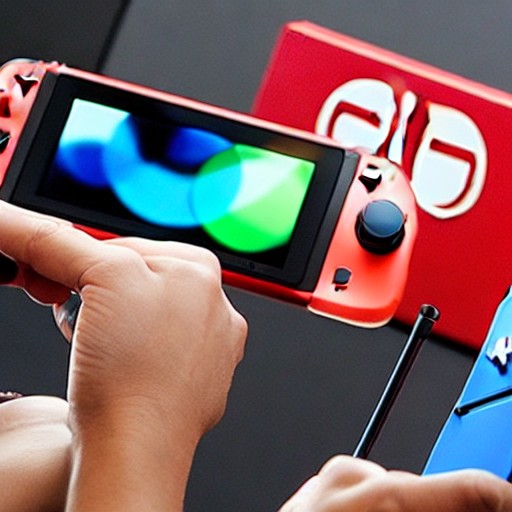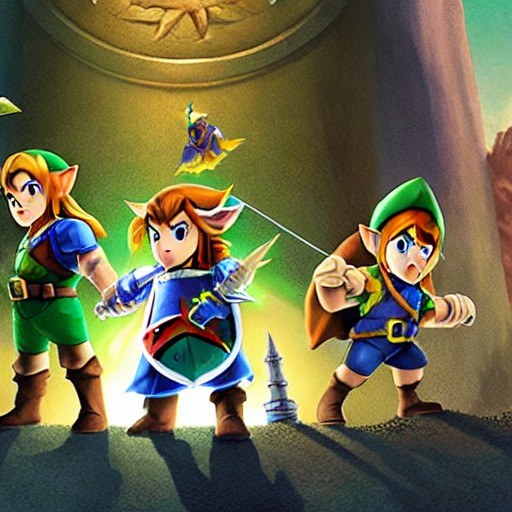
The Legend of Zelda: Ocarina of Time, originally released in 1998, remains a monumental achievement in game design, even as Nintendo continues to innovate with titles like Breath of the Wild. Its recent Switch 2 remake brings the game’s grand adventure and intricate puzzles to a new generation, proving that timeless stories can transcend their era.
The game’s core story, where Link battles the evil Ganondorf, is as compelling today as it was two decades ago. The ocarina, a magical instrument that allows players to manipulate time and space, adds a layer of depth to the gameplay, making each puzzle-solving experience unique. From the Temple of Time to the vast landscapes of Hyrule, Link’s journey is both linear and open-ended, offering a perfect blend of adventure and exploration.
The visual update is a masterclass in balancing realism and fantasy. While the characters retain a charming, puppet-like appearance, the environments come to life with realistic detail, enhancing the emotional impact of iconic moments. The game’s improved camera control and jump mechanics make navigation smoother, while still respecting the original’s challenge. These updates ensure that Ocarina of Time remains not just a nostalgic trip, but a fresh and engaging experience for players of all ages.
Reflecting on the game’s enduring legacy, it’s clear that the core elements of The Legend of Zelda — a vast, immersive world, complex puzzles, and a compelling narrative — are timeless. Ocarina of Time’s remake serves as a reminder that classic games, when updated with modern sensibilities, can continue to captivate and inspire new audiences. In an era of constant innovation, the magic of Ocarina of Time proves that sometimes, the simplest ideas can have the biggest impact.