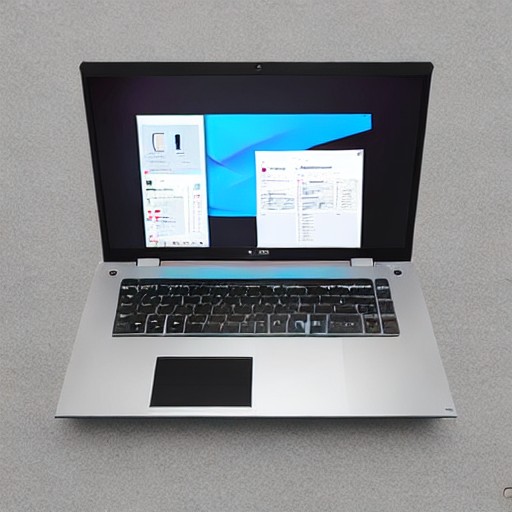
For over a decade, I've tracked the evolution of gaming laptops. Once seen as mere desktop replacements, they now match their bulkier counterparts in performance while embracing sleek designs reminiscent of MacBooks.
The new Razer Blade 16, for instance, is not only cutting-edge with its RTX 5090 graphics but also exudes a minimalist elegance that sets it apart from its predecessors. Its thin profile and subtle RGB lighting make it a standout in an increasingly competitive market.
Competitors like Asus have followed suit, with the ROG Zephyrus G14 offering similar performance at comparable prices. These laptops not only perform but also look the part, proving that form follows function even in the world of gaming tech.
In contrast, high-performance laptops such as Lenovo's Legion 7i Gen 10, while still thin and powerful, focus more on delivering visually stunning graphics through HDR. Its OLED display brightens up games without sacrificing speed, making it a worthy contender in its own right.
For those seeking cost-effective options, the Lenovo LOQ 15 remains a top pick for its excellent value and performance. While budget-friendly alternatives like the Acer Nitro V 16 can offer impressive specs at lower prices, they come with compromises in terms of screen quality.