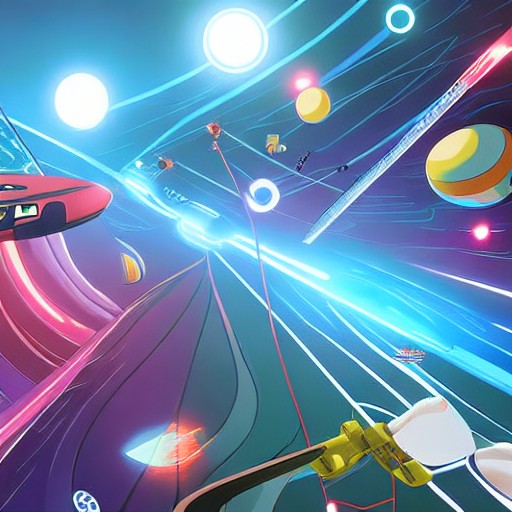
This anime-themed game is like Katamari Damacy, Crazy Taxi and Tony Hawk rolled into one, with a mix of 2D anime, pixel art and Dreamcast-era 3D visuals – it shouldn’t work but does. Creative director Xalavier Nelson Jr explains how the game’s unique art style came to be.
At a time when game development takes years – a whopping 13 years between GTA 6 and its predecessor, for example – there's something quite remarkable about Strange Scaffold, an indie developer that has shipped 18 games between 2019 and now, each one distinct from the other in style and scope. Its latest, Truck-Kun is Supporting Me from Another World, is especially bizarre; if you can gather from its lengthy title, it's inspired by anime and one of its fondest genres.
Riffing on a trope and meme where the protagonist is essentially killed in a road accident before their consciousness is transported to a fantasy world, you play as the titular truck driver who just ran over career-climbing anime-obsessed Carissa Ward, who's reincarnated into a buff pink-haired anime elf, and she needs your help to get back to her world. And the way to do that is by running over more pedestrians who then get sent over to the same fantasy world as monsters that she can kill and get stronger in order to defeat the Skeleton King.
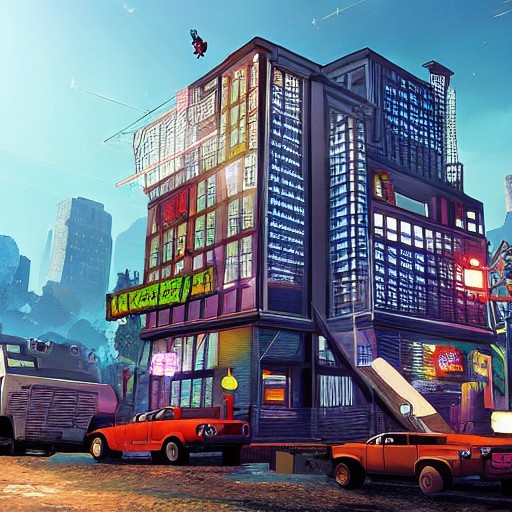
The rendering of the town itself, Wenvale, certainly has a simpler, bolder style reminiscent of 3D visuals from that era, when you didn't need much realistic detail to evoke atmosphere. More importantly, Nelson Jr says it's largely achieved by something that's often under-discussed in game development – the post-processing pipeline.
The different art styles employed aren't just for aesthetics but serve a consistent function: if you're going to make a game that's split across multiple permutations of a universe, it becomes important to keep each one consistent unto itself, so that it doesn’t turn into something generic that congeals together. Truck-Kun is supporting me from Another World releases on PC and Xbox Series X/S on 29 July.