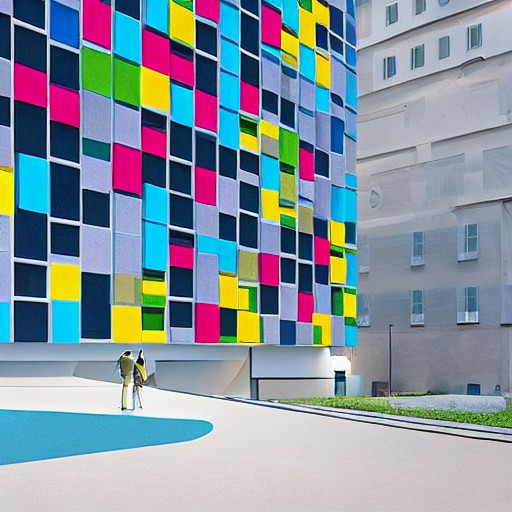
The political tussle over the new Kanal-Centre Pompidou in Brussels is heating up just before its grand opening in November. Minister-President Boris Dilliès of the Movement Réformateur party has announced that Yves Goldstein, the museum’s founding director, must either resign immediately or reduce his duties significantly. Critics argue that the museum is too expensive for taxpayers, while supporters see it as a potential asset for the city. Goldstein has overseen the construction of this ambitious 430,000-square-foot space, which required a $290 million investment from the regional government. However, the museum’s annual budget is expected to shrink drastically, making Goldstein’s future uncertain.
Despite plans for a more modest budget, Dilliès aims to take control, citing Goldstein’s involvement in selecting his successor. An unnamed source told La Libre that Goldstein’s vision no longer aligns with that of the new political majority, and that the museum must be 'saved.' This political maneuvering highlights the challenge of sustaining large cultural institutions in an era of austerity.
The museum’s ambitious model has attracted criticism, but it also presents opportunities. Dilliès hopes to redirect the museum’s focus, while Brussels lawmakers want to ensure its financial sustainability. The question now is whether Kanal-Centre Pompidou can adapt to meet the new financial realities or if it will become a casualty of political change.
For over a decade, Goldstein has navigated the complex world of museum management, and now the fate of Kanal-Centre Pompidou hangs in the balance. Will the museum thrive or become a symbol of the broader challenges facing public institutions in the modern era?