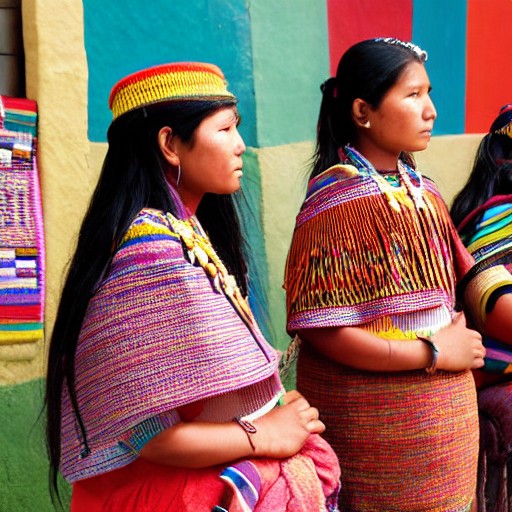
The economy of Peru's Sacred Valley has long been woven around the seasons, with rural communities growing crops and raising livestock to sustain themselves. This tradition is particularly true for Quechua women who continue these practices while caring for their families.
In 2009, the nonprofit Awamaki was formed to support local artisans as modern pressures encroached on traditional ways of life. Today, it assists nine cooperatives with 174 members, helping them access diverse markets and economic opportunities without leaving their communities or cultural roots.
As climate change transforms the Sacred Valley, Awamaki works to build resilience among these women through sustainable tourism and financial support. For instance, the Murmur Ring's immersion programs bring creatives to the region, providing structured support for artisans.
The demands of their craft are immense; from washing wool carefully to weaving intricate designs, Quechua women balance traditional skills with daily responsibilities. Their work is not just about income but also about cultural continuity and environmental stewardship.
Through mentorship within their communities, these women are empowered to make informed decisions that improve their lives while preserving their heritage. As Nadia of the Rumia cooperative says: 'Being part of Awamaki changed things for us. Now we have a steady income, and that allows us to keep weaving.'