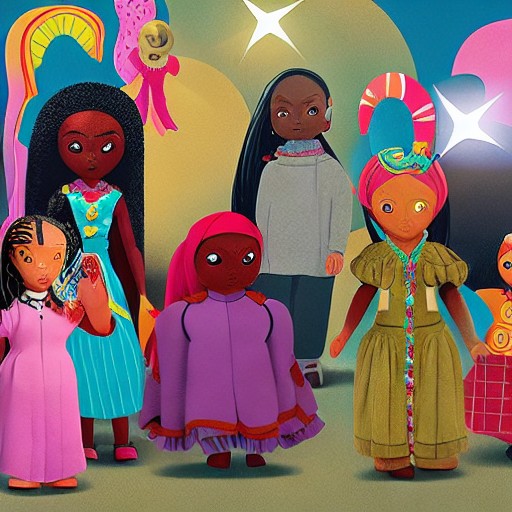
Nearing her centennial, Betye Saar donates over a hundred cherished Black dolls to the New York Historical Society. These once-maligned memorabilia now shine in new light through her intricate assemblages and watercolors, freeing them from their historic shackles.
Starting with her iconic 'Liberation of Aunt Jemima' (1972), Saar has long used found objects to challenge racist imagery. Her collection spans centuries and continents, including both handmade treasures and mass-produced minstrel stereotypes.
During the pandemic, Saar painted these dolls into mystical adventures, transforming them from passive playthings into powerful symbols of resistance. 'Hoo Doo Woman,' one of her own creations, serves as a vivid reminder of how even the smallest objects can carry profound significance.
The exhibition at the New York Historical Society not only celebrates Saar's enduring art but also invites viewers to reconsider the complex roles that dolls play in our society. Through her work, these once-maligned figures gain new life and meaning, breaking free from their past.