Everything looks the same. Now what? With AI speeding up the bland trend, where do we go from here?
The internet was already converging on a single aesthetic before AI arrived, and AI is its high-speed photocopier.
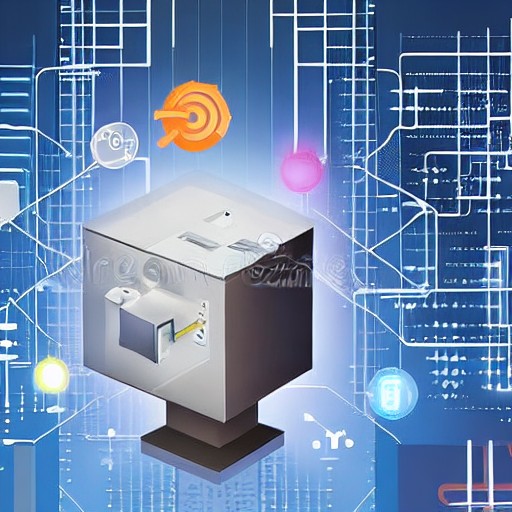
Open twenty cybersecurity company websites and you will find dark navy backgrounds, electric blue accents, a shield or padlock somewhere in the logo, and abstract network diagrams suggesting both complexity and control. The products are different but the design language is almost identical.
It's not just a cybersecurity design issue. There are many others where you can no longer tell the brands apart: wellness brands with muted earth tones, fintech with gradients suggesting movement, AI companies with orbital shapes and corporate blues, SaaS with the same Inter typeface on every homepage.
AI is adding to this sea of sameness, and here is why. How we got here: before generative AI, the visual landscape was already narrowing. Design systems built by Google, Apple and Microsoft were designed to bring order and accessibility to digital interfaces. The side effect was a shared standard of safe defaults including bottom navigation bars, magnifying glass search icons and standardised spacing grids.