A 20th-century Armenian modernist, Haroutiun Galentz (1910-1967), is making a comeback with renewed interest across Europe and Lebanon. As a survivor of the Armenian Genocide during World War I, his work serves as a testament to human resilience and creativity.
The first English monograph dedicated to Galentz, 'The Form of Colour', was released last fall by Skira publisher. It includes pieces from various collections across Europe, Asia, and North America, along with archival documents, letters, and memoirs that highlight his significance as an international cosmopolitan modernist.
Recently, a one-day conference at Ca' Foscari University of Venice delved into the intersections of exile, memory, and modernity in Galentz's artworks. This event brought together international scholars to discuss his unique artistic journey, which included his time in Beirut after fleeing the Armenian Genocide.
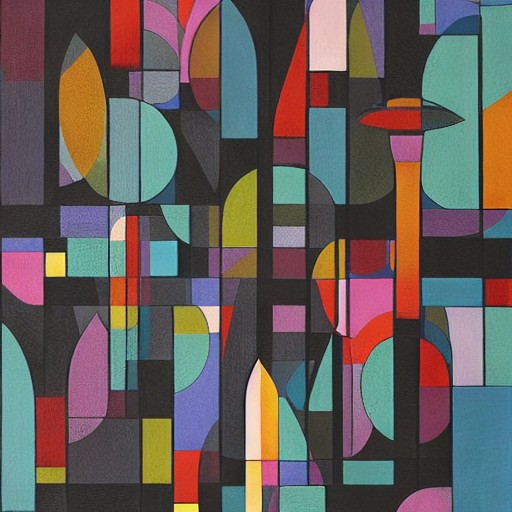
Galentz's paintings are known for their vivid use of colours and dynamic compositions, rooted in his early training in the Beaux-Arts system and influenced by French avant-garde painter George Michelet. His work maintained a radiant quality even as he navigated political and social challenges in the Soviet Union post-World War II.
His final painting, 'Spring in Our Garden' (1967), has been hailed as a quiet defiance against oblivion, reflecting his life's struggles while affirming the enduring power of art to resist and heal. Scholars are now reconceiving Galentz's paintings across borders to better encapsulate his journey through Soviet Armenia.