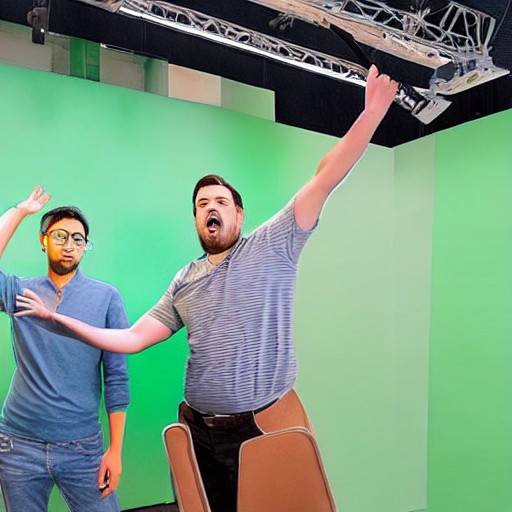
For Heiko Thies and Loreley Productions, green screen work has always been a meticulous endeavor. Hair edges, motion blur, and spill—these elements can make post-production a nightmare. Now, advancements in AI tools like Lightcraft’s Jetset are transforming the process, making it easier to manage even complex camera moves. The transition from manually tracking shots to real-time, reliable data streams has streamlined their workflow, allowing them to focus on creativity rather than technical hurdles.
Their journey began with a 10-minute Star Trek test episode in 2020. As the production grew, they encountered numerous challenges, especially when dealing with intricate camera movements and environments. Before adopting AI tools, every shot had to be meticulously adjusted post-production. Now, such adjustments are automated, saving valuable time and ensuring that their final cuts are precise.
Jetset not only provides a live preview of composite shots but also acts as a shared visual reference between set and post-production. This allows Thies and his team to make decisions based on what they can see in real-time, rather than relying solely on guesswork. The impact is significant: failed takes are no longer an option; they're quickly redone on the spot, ensuring that every shot meets their high standards.
The efficiency gains extend beyond post-production. Every step of the workflow is now more coherent and less prone to manual errors. For Thies, this means spending less time rebuilding logic for each shot and more time working directly with the material. This shift has not only improved the quality of their productions but also reduced stress, making the process smoother for a small team handling a full episodic production.