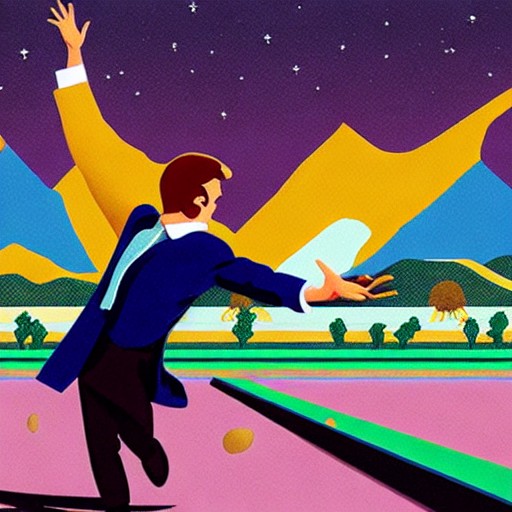
The minor tweak to Ryan Gosling’s hand on the La La Land movie poster is just another sign that our media is never set in stone. As platforms like Netflix and Amazon frequently alter classic films, we’re entering an era where definitive versions are becoming a relic.
George Lucas’ decades of CGI modifications to Star Wars were once seen as eccentric. Now, such changes feel more commonplace, even if they may not be appreciated by fans. From Taylor Swift’s numerous album covers to AI’s instant image ‘improvements’, the idea of a single, canonical artwork is becoming increasingly quaint.
When studios release new cuts of films, it was once about bringing out a Director's Cut on DVD. But with media living in the cloud, permanence is a luxury. You never know when your favourite film might change or disappear. It’s not just about hands rotating; it’s about the broader question of what we own and control in an age dominated by streaming.
This trend raises questions about cultural heritage and personal identity. If our beloved films can be changed without warning, does that subtly undermine their significance? Is there a point to preserving these works as they were originally intended?